What Happens to an NFL Prop if the Player Doesn’t Play
 Available in US
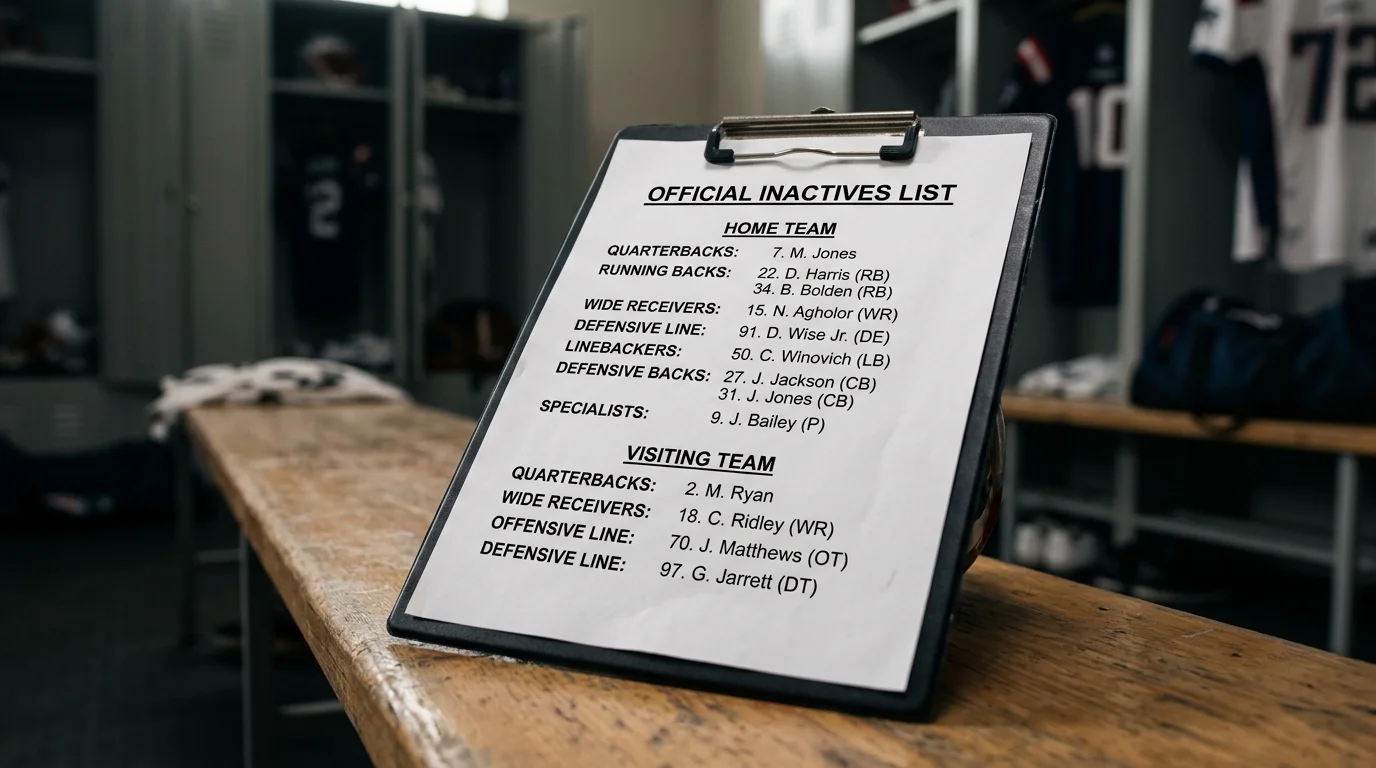
The question nobody asks until it is too late
I have watched more than one new bettor go pale when a player they backed turned up on the inactive list ninety minutes before kick-off. The panic is unnecessary, but only if you know the rules in advance. When a player you have backed in a prop does not take the field, the bet does not simply lose; in almost every case it is voided and your stake is returned. Understanding exactly when that happens, and the related cases of pushes and parlay legs, saves you a great deal of needless worry.
This matters because NFL availability is genuinely unpredictable. Late scratches, surprise inactives, and game-time decisions are a normal part of the sport, and with millions of active betting accounts placing props every week, settlement edge cases come up constantly. Knowing how your book handles a did-not-play before you bet means you never have to guess what is happening to your money while you stare at an inactive list. It is the kind of unglamorous knowledge that pays for itself the first time it applies to you.
There are three situations worth getting straight: the player who does not play at all, the player who lands exactly on the line, and the player whose prop is one leg of a larger combination bet. Each is settled by a clear rule, and once you know all three you can bet props without that nagging uncertainty about what the small print actually says.
Understand the regulatory backdrop in our NFL prop integrity memo 2025 overview.
Void and refund: the standard rule
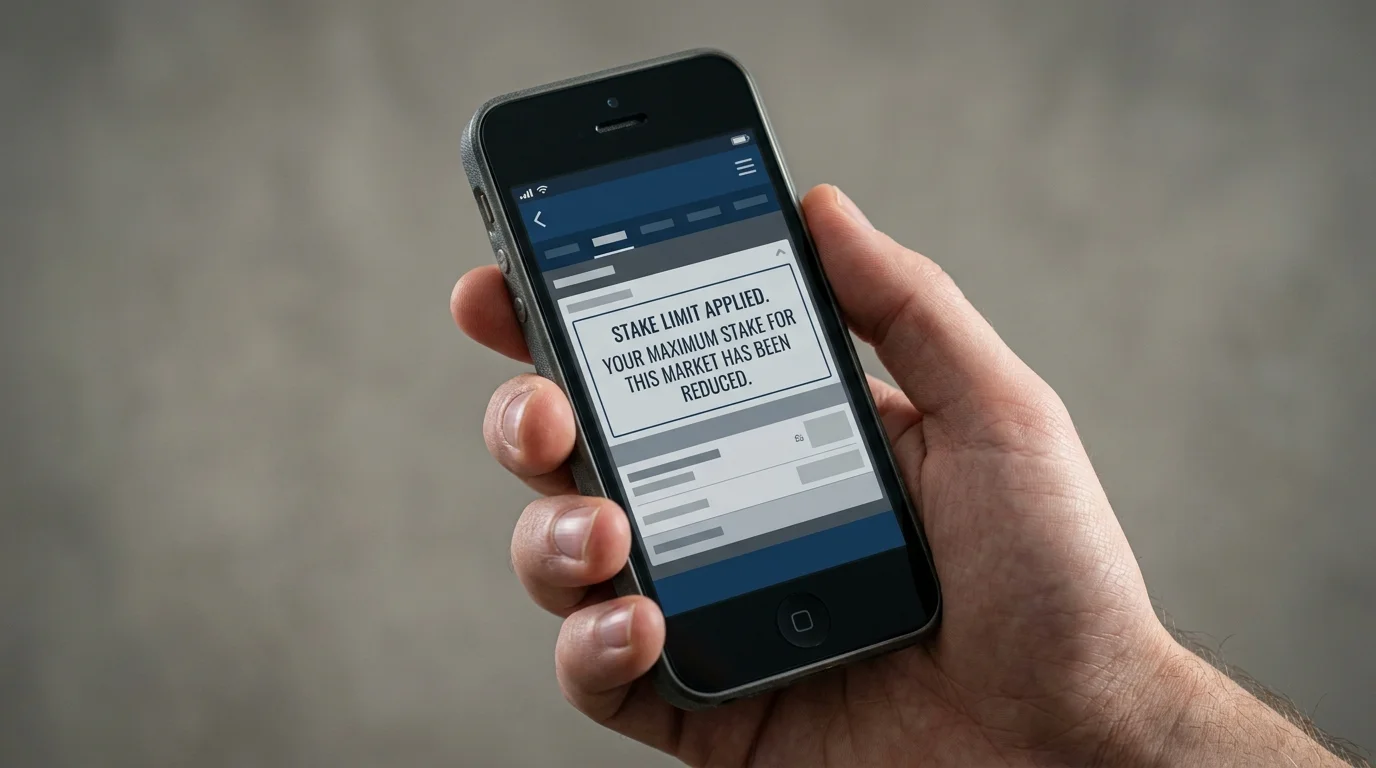
The core rule is reassuring: if a player does not participate in the game, his individual props are almost always voided and stakes are refunded. Voided means the bet is treated as if it never happened, so your money comes back to your account in full, win, lose, or otherwise. A receiver who is ruled out, a quarterback who is benched before taking a snap, a back who is a healthy scratch, all of these typically trigger a void on his props rather than a loss.
The logic is fair. A player prop is a bet on what a specific player does, so if that player never gets the chance to do anything, there is no genuine contest to settle and the book returns your stake. The threshold most books use is participation: if the player takes even a single snap, the prop usually stands and settles on whatever he managed, even if that is zero yards. If he does not appear at all, it voids. The difference between “did not play” and “played but did nothing” is the line that decides whether you get your money back or eat a loss.
The practical takeaway is to watch the inactive lists and game-time decisions, because that participation threshold is everything. A questionable player who sits is a void; a questionable player who suits up and plays a token role can leave your prop live and likely losing. Knowing your book’s exact wording on participation, some require a snap, some have other triggers, is worth a quick check before you bet a player whose status is in doubt.
Landing exactly on the line
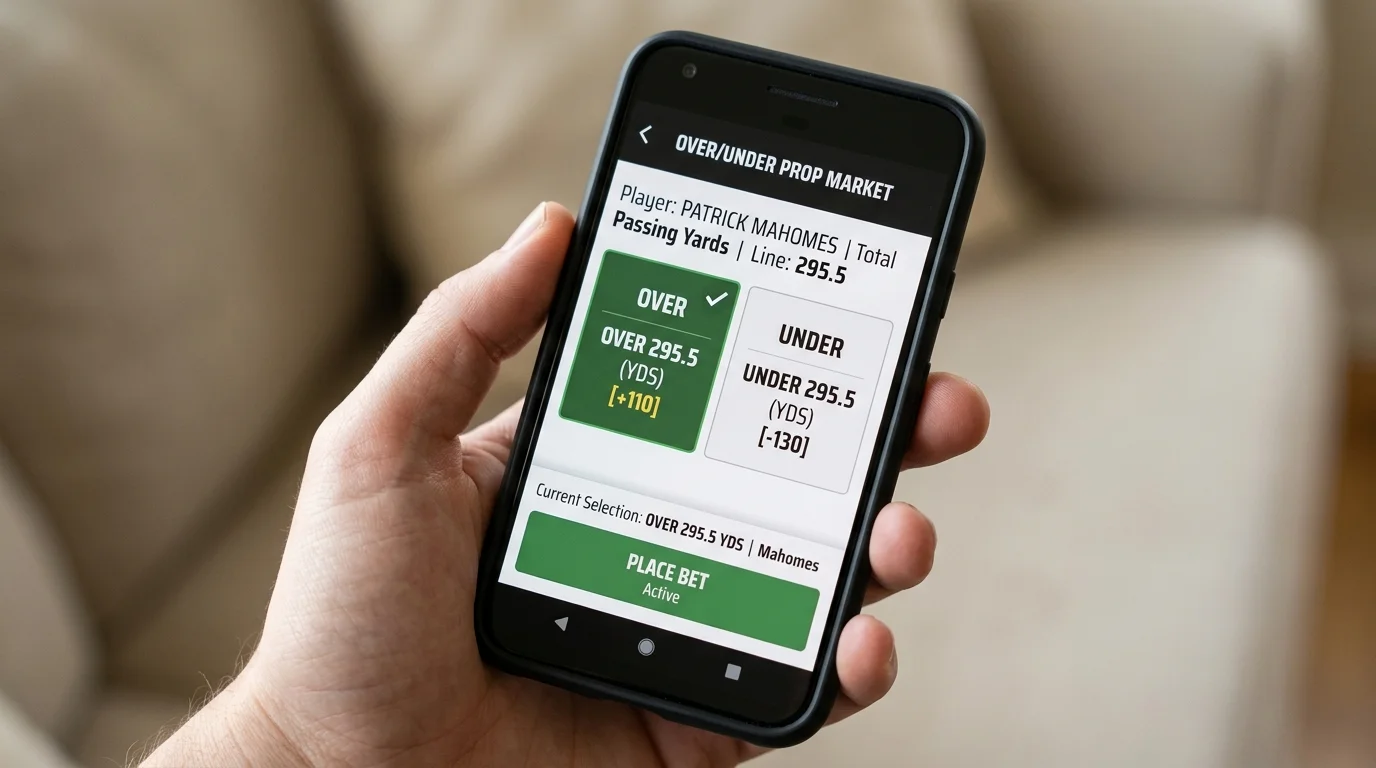
A different edge case arises when a player does play but his result lands precisely on the prop line. This only happens on whole-number lines, because half-point lines like 64.5 cannot be tied. But on a whole-number prop, say a receptions line set at exactly 5, a player finishing with exactly 5 catches has landed on the number, and that is a push.
A push means neither side wins, so the bet is void and your stake is returned, just as it would be on a non-appearance. The over does not win because the result is not above the line; the under does not win because it is not below. The book treats the exact tie as a no-result and gives the money back. This is precisely why books so often set lines at half-points, the .5 figures, because a half-point line removes the possibility of a push and guarantees a clean win or loss for one side.
For the bettor, the lesson is to notice whether your prop sits on a whole number or a half-point. A whole-number line carries push potential, which slightly changes the real probabilities, because some portion of outcomes will land exactly on the number and refund. A half-point line has no such escape hatch. It is a small detail, but it affects how you should value a bet, and it is the kind of thing the careful bettor checks while the casual one never notices.
Visit best nfl player prop bets for important NFL prop rules.
What a void does inside a parlay
The trickiest case is when a voided prop is one leg of a combination bet rather than a standalone wager. If you have built a multi-leg bet and one player does not play, that leg does not simply lose and sink the whole ticket. Instead, the voided leg is removed and the combination recalculates as if it never included that selection. A four-leg bet with one void becomes a three-leg bet, priced on the remaining legs, and it can still win on those.
This is genuinely good news, because it means a single late scratch does not automatically destroy a carefully built combination. The price drops, since you have one fewer leg multiplying the odds, but the bet survives on its remaining selections. The same logic applies whether the void comes from a non-appearance or a push on a whole-number line within the combination. The full mechanics of how these multi-leg bets are constructed, priced, and recalculated when a leg falls away are worth understanding properly, and I cover them in my guide to same game parlays and bet builders. The headline for now is simple: a void inside a combination removes the leg and reprices the rest, rather than busting your whole ticket.
Do I get my stake back if a player is a late scratch?
In almost all cases, yes. If a player does not participate in the game at all, his individual props are voided and stakes are refunded, treated as if the bet never happened. The key threshold most books use is participation: if the player takes even a single snap, the prop usually stands and settles on his result, even if that is zero. If he does not appear, it voids and you get your money back.
What happens to a prop leg in a parlay if the player is out?
The voided leg is removed and the combination recalculates as if it never included that selection. A four-leg bet with one void becomes a three-leg bet, priced on the remaining legs, and it can still win on those. The odds drop because you have one fewer leg multiplying the price, but a single late scratch does not destroy the whole ticket the way a losing leg would.
Is landing exactly on the line a win or a push?
It is a push, which means the bet is void and your stake is returned. This only happens on whole-number lines, since half-point lines cannot be tied. If a receptions line is set at exactly 5 and the player finishes with 5 catches, neither over nor under wins, so the book refunds the stake. This is why books often set half-point lines, to remove push potential and force a clean result.
Prepared by the Best nfl Player Prop Bets editorial staff.