Best NFL Player Prop Bets: A UK Bettor’s Guide to Finding Value
 Available in US
Table of Contents
- Best NFL Player Prop Bets: A UK Bettor’s Guide to Finding Value
- What value-focused UK bettors need to know
- What a player prop actually is
- Where props sit in the British betting picture
- The markets you will actually bet
- Reading the price like a British bettor
- How I decide a prop is worth backing
- The cut baked into every line
- NFL Prop Devig Calculator
- The signals that move a player prop
- Stacking props in a single bet
- The rulebook tightening around props
- Staking so you survive the variance
- Choosing where to bet and what to bet with
- Keeping the hobby a hobby
- Questions British prop bettors keep asking
- Turning method into a steady edge
How British bettors read a line, strip the margin and find genuine value in NFL player props — method, not daily picks.

Contents
- Best NFL player prop bets: where to start
- What value-focused UK bettors need to know
- What a player prop actually is
- Where props sit in the British betting picture
- The markets you will actually bet
- Reading the price like a British bettor
- How I decide a prop is worth backing
- The cut baked into every line
- The signals that move a player prop
- Stacking props in a single bet
- The rulebook tightening around props
- Staking so you survive the variance
- Choosing where to bet and what to bet with
- Keeping the hobby a hobby
- Questions British prop bettors keep asking
- Turning method into a steady edge
Best NFL Player Prop Bets: A UK Bettor’s Guide to Finding Value
A few seasons back, on the morning of a London game at Tottenham, a mate texted me asking which “best NFL player prop bets” he should hammer that afternoon. He wanted a list. He wanted certainty. What he actually needed was a way to tell a good price from a bad one, because the list changes every week but the method never does.
So let me be straight about what this page is. A player prop is a wager on what one individual does in a game — passing yards, receptions, whether a tight end finds the end zone — rather than on who wins or by how much. It sits apart from the spread, the moneyline, and the daily picks feeds you have probably already scrolled past. I am not here to tell you to back a quarterback over 249.5 passing yards this Sunday; that tip is stale by Monday. I am here to teach you how to read a line, work out what the bookmaker is really charging, and decide for yourself whether there is value in it.
That distinction matters. Most of what ranks for this search is an American picks feed that expires when the slate kicks off, or a paid data tool that hands you an edge number with no explanation of where it came from. Neither teaches a British newcomer how the maths works — why the juice on a receiving yards prop is heavier than on a spread, how to read a fractional price, or which markets are even still legal after recent rule changes. I have spent nine years analysing prop markets, devigging lines and chasing positive expected value with a UK bettor’s tools and a UK bettor’s regulator, and the gaps in the existing coverage are wide enough to drive a double-decker through.
This is an evergreen method guide for the 2026 season and beyond, written for the British bettor. It deliberately avoids “today’s picks” because a process that works in week one works just as well in the playoffs. Throughout, illustrative odds are marked as worked examples, not recommendations to back any specific selection.
What value-focused UK bettors need to know
- A player prop bets on one player’s individual stat, not the game result — so your read of a single role matters more than your read of the matchup.
- The margin baked into props typically runs 6 to 10 percent, well above spreads, so finding genuine value beats firing more bets every time.
- The skill is method, not picks: convert the price to an implied probability, strip the vig to a fair line, then shop that line across UKGC-licensed books.
- Recent integrity rules have narrowed which prop categories books may offer, so the legal menu is smaller and cleaner than it was.
Britain’s regulated gambling industry posted £16.8 billion in gross gambling yield in the year to March 2025. You only need a sliver of that market priced wrong in your favour — and the way you find it is maths, not nerve.
What a player prop actually is
The first prop I ever placed was on a kicker — just whether a journeyman would make more than 1.5 field goals on a grey afternoon. I lost it on a blocked attempt in the fourth quarter: the team won by two scores, the result went exactly as I expected, and I still did my money. That is the lesson in a sentence. A player prop does not care who wins.
A proposition bet — “prop” for short, sometimes called a side bet — is a wager on something that happens inside a game rather than on its outcome. A player prop narrows that to the individual performance of one named player. The spread asks who covers; the moneyline asks who wins; the prop asks what one human being does between the white lines. That is a completely different question, and it rewards a completely different kind of knowledge.
Proposition bet — a wager on an event within a match, independent of the final result. A player prop is the subtype tied to one individual’s statistics, such as passing yards, receptions or touchdowns scored.
Most player props are framed as an over/under around a line the bookmaker sets. If the line on a receiver is 54.5 receiving yards, you choose whether the real number lands above or below it; the half-yard exists so there can be no exact tie. Some props are not over/unders at all: “anytime touchdown scorer” is a straight yes-or-no market, and “first touchdown scorer” asks you to name the player before anyone else crosses. And props are the one bet type where your specific knowledge can outrun the market: nobody has an edge on a 14-point favourite covering, but the line on a third receiver’s reception total is thinner, less scrutinised and far more likely to be slightly wrong.
A quick mental model: spreads and totals are the bookmaker’s home turf, sharpened by huge volume and heavy modelling. Player props — especially on secondary players — are the away game, where the lines are softer and a careful read can find an edge.
Where props sit in the British betting picture
People are always surprised when I tell them how big this is. Gambling in Britain is a regulated industry that turned over £16.8 billion in gross gambling yield in the financial year to March 2025 — the first time the figure has cleared £16 billion, up 7.3 percent on the year before. Gross gambling yield is what operators keep after paying out winnings: stakes in, winnings out, the rest is the industry’s take. It is the cleanest single measure of scale we have.
That scale matters for NFL props. You are betting into a mature, heavily regulated market overseen by the Gambling Commission — but the NFL is still a comparatively small slice of that British pie, because the big domestic money flows toward football and horse racing. That is precisely why American football’s prop lines get less attention than a Premier League market would.
£16.8bn
Gross gambling yield of the regulated British industry in the year to March 2025, up 7.3 percent and past £16bn for the first time.
£7.8bn
Generated by the remote — online — segment, a 13.1 percent rise that now makes up 46 percent of the whole Great Britain market.
£1.3bn
Online betting yield from football alone, comfortably the biggest sport, with horse racing next on £766.7 million.
The action has moved decisively online, which is good news for prop bettors because the deep, granular player markets live there, not behind the counter of a betting shop. Within online betting football is king, and the NFL does not yet register as its own line in those tables — that invisibility is your friend. You can dig into the British betting landscape and where props fit in a dedicated breakdown that goes well beyond what I can summarise here.
The audience side is the part nobody connects. The NFL has more than 13 million fans in the United Kingdom, of whom roughly 4 million are what the league classes as “avid” — a Premier League-sized following, built over two decades of London games and free-to-air coverage. Yet almost none of the prop-betting content aimed at this search even acknowledges it exists. The fanbase, the appetite and the regulated infrastructure are all here; the missing piece has always been a guide that treats a British NFL fan as the primary reader. That combination — a football-dominated market that under-watches American sport, and a huge underserved fanbase — is why a disciplined British prop bettor can find an edge a casual picks reader cannot.
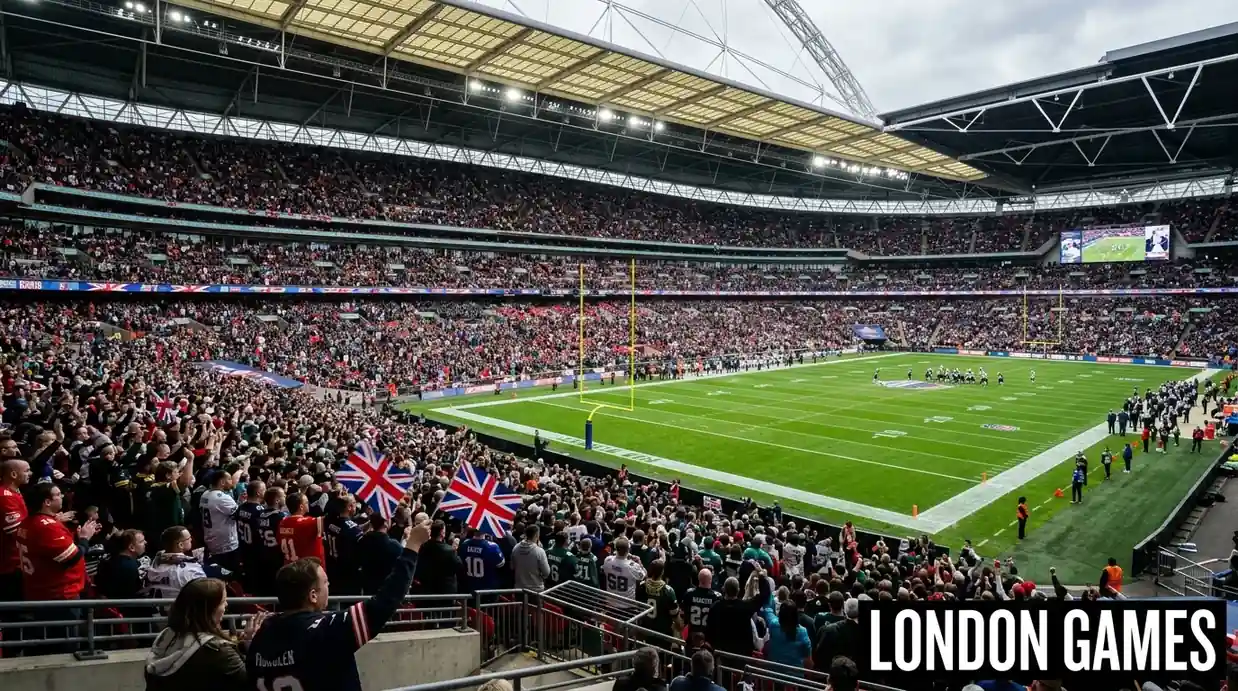
The London games are the clearest expression of this. A Wembley fixture now routinely outdraws most domestic sporting events for the weekend, and the international slate has become a fixture of the autumn calendar. If you want the full story, explore how the NFL’s London games shaped betting for British fans, because here I am only flagging it as context.
The markets you will actually bet
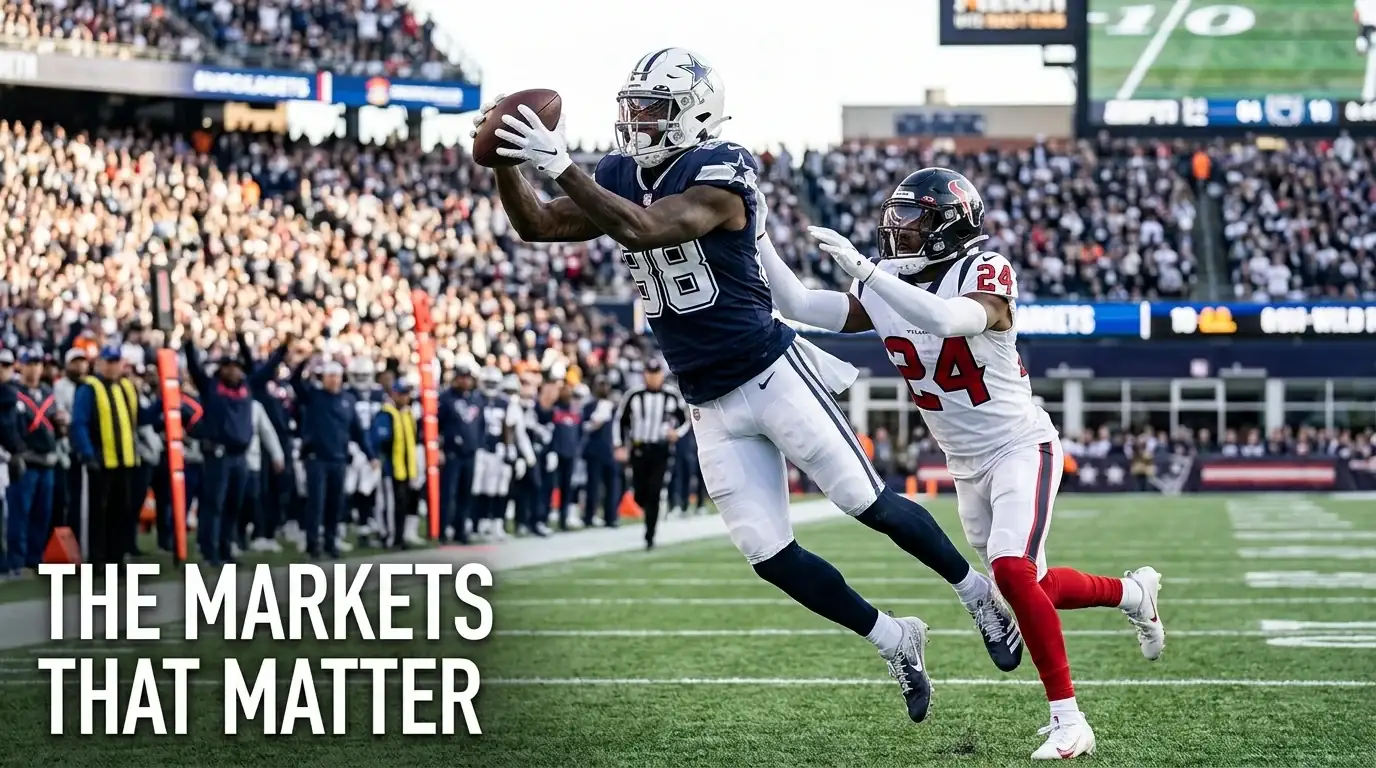
Ask ten newcomers what a prop bet is and most will describe a touchdown scorer. The props worth your time cluster into a handful of repeatable markets. They are no longer a gimmick, either: across NFL bet types, spreads still lead at 61 percent of bettors and the moneyline at 52 percent, with totals at 47 percent, but player props are the fastest-growing category and the genuine driver of the market’s expansion.
The yardage markets are the backbone — passing, rushing and receiving yards are over/unders on a continuous number, the most analysable props on the board because you are forecasting volume and efficiency. Receptions behave differently, a discrete catch count that is steadier and less prone to one broken play swinging the result. Then come the scoring markets, where the maths gets spikier: anytime touchdown scorer is, by a clear margin, the single most-bet player prop by turnover at one major book, with receiving yards and first touchdown scorer also in its top three.
That popularity is what makes touchdown markets tricky: when everyone piles onto the obvious star to score, the price shortens past fair value and the edge evaporates. The mechanics of red-zone share, goal-line roles and why the favourite is so often overbet are covered in a dedicated look at the anytime touchdown scorer market that I would point any serious bettor toward before they back one.
Yardage props
Passing, rushing and receiving yards. Continuous over/unders, the most analysable. For a statistical read on volume.
Receptions
A discrete catch count. Steadier than receiving yards because one long play matters less. Good for lower variance.
Anytime touchdown
Yes-or-no on scoring. The most-bet prop by turnover, so the popular names are often overpriced. For the under-backed role player.
Quarterback markets
Passing touchdowns and interceptions. Low-count, high-variance — a single play swings them. For bettors comfortable with lumpy outcomes.
Worked example, not a recommendation. A receiver is posted at:
Over 54.5 receiving yards (10/11) · Under 54.5 receiving yards (10/11)
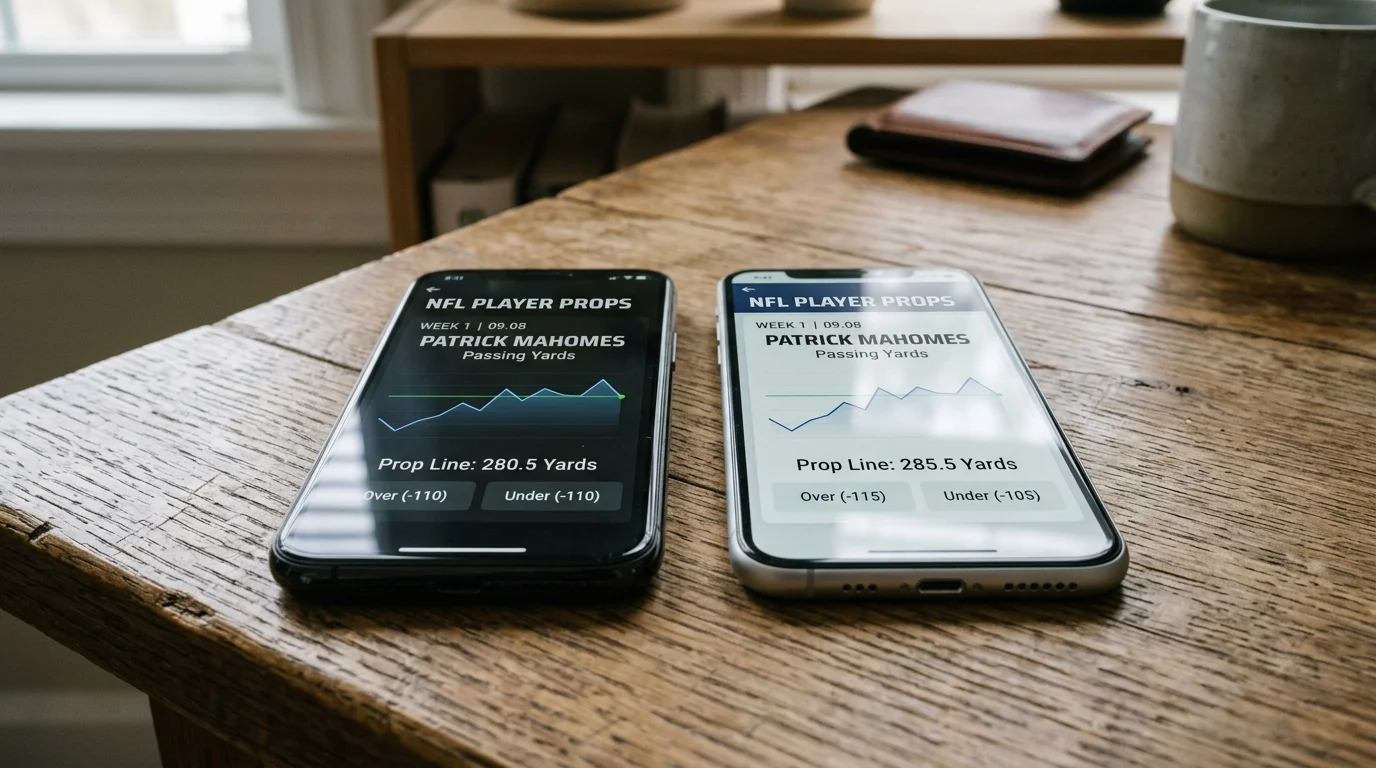
Both sides are priced at 10/11, the British way of writing what an American book shows as −110. Stake £11 to win £10. The half-yard removes any chance of a push. Your job is to decide whether 54.5 is the right number, and whether the price leaves room for profit once the cut is removed.
Reading the price like a British bettor
A reader once emailed me a screenshot of an American prop board with a single furious question: “Why is everything minus one hundred and ten?” If you grew up on Saturday afternoon racing prices, the American format reads like a foreign alphabet. So let me translate, because you cannot find value in a price you cannot read.
British books quote you in one of two formats. Fractional odds — 10/11, 6/4, 5/2 — tell you the profit relative to the stake: 6/4 means stake four to win six. Decimal odds — 1.91, 2.50, 3.50 — tell you the total return per unit staked, your stake included, so 2.50 returns two-and-a-half times your money. The American −110 on imported feeds simply means you stake 110 to win 100. It is the same 10/11, the same 1.91, wearing a different coat.
Implied probability — the win chance baked into a price. Convert decimal odds by dividing one by the price: 1.91 implies 1 ÷ 1.91, or about 52.4 percent. It tells you what the bookmaker thinks must happen for the bet to be fair.
Implied probability is the whole game. Divide one by any decimal price: 1.91 gives 0.524, a 52.4 percent chance; 2.50 gives 0.40, a 40 percent chance. Fractional odds convert just as easily — add the two numbers, then divide the second by the sum, so 6/4 is 4 ÷ 10 = 0.40. Once every price on the board is a percentage in your head, you can compare what the bookmaker thinks against what you think, the only comparison that ever makes money.
Worked example, not a recommendation. A two-sided prop posted at −110 on both over and under:
Over (−110) → implied 52.4% · Under (−110) → implied 52.4%
Add those together and you get roughly 104.8 percent, not 100. That extra 4.8 percent is the bookmaker’s built-in margin on the pair — the surplus you pay for the privilege of betting. Spotting it is the first step to beating it.
Here is the number that should stay with you: at −110, your break-even win rate is 52.38 percent, not 50. You must win more than half your bets just to stand still, because the price tips the scales toward the house. Shift to a slightly better −105 and the break-even drops to 51.22 percent — a gap that looks tiny but, across a season, is the difference between slowly bleeding and slowly building. That habit of turning prices into probabilities is the difference between a punter who feels prices and a bettor who reads them.
How I decide a prop is worth backing
I keep a screenshot on my phone of a bet I did not place: a receiving yards under I had pencilled in, talked myself out of because the price looked short, then watched land exactly as I had projected. The number was correct, the price was not, and a correct read at a bad price is still a losing bet over time. Value is not about being right. It is about being paid enough when you are right.
Strip away the jargon and finding value is a single comparison: the probability the bookmaker implies against your own honest estimate of the true probability, with the steps taken in that order. Convert the price first, strip the margin to the fair line, then bring your own projection. Most losing bettors do it backwards — they fall in love with a player, then go looking for a price to justify the feeling.
Worked example, not a recommendation.
Step one. A rushing yards over is posted at 1.91 decimal. Implied probability: 1 ÷ 1.91 ≈ 52.4 percent.
Step two. The matching under is also 1.91, so the two sides sum to about 104.8 percent. Strip that overround and the fair, no-margin probability for the over falls to roughly 50 percent — a true coin flip once the cut is removed.
Step three. My projection, built from the back’s recent carries and the opponent’s run defence, puts his chance of going over at about 56 percent. Fair line says 50, my read says 56 — a coin-flip price on something I believe is better than a coin flip. That six-point gap is the edge. Had it landed at 49 percent, I would pass, and I want a margin of safety, not a two-point sliver on a market I barely understand.
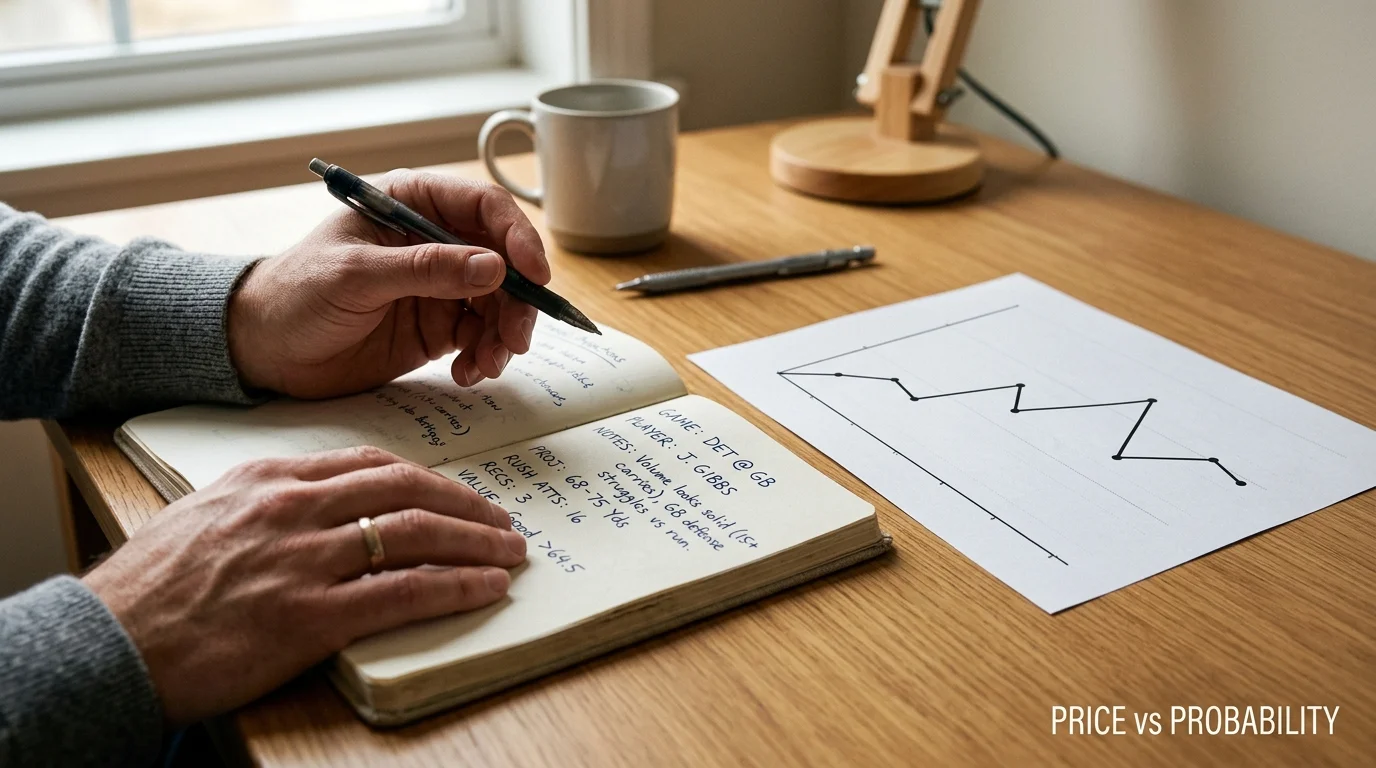
Here is the part the picks feeds will never tell you, because it undercuts their whole product: most props do not contain value, and the correct action on most props is to pass. I might look at forty markets on a Sunday and back four. The discipline to do nothing on the other thirty-six is more profitable than any single winning pick.
This is also where props quietly favour the patient bettor. As one of the sharper analytical voices on the subject puts it, for player props — particularly exotic props on secondary players — the market is less efficient because bookmakers have less historical data to lean on. The star quarterback’s passing yards are modelled to within an inch of their life, but the third-down back’s rushing line is a softer number, and that is where your careful read beats the book’s. And the margin makes patience pay: props carry a vig that typically runs 6 to 10 percent and higher, so firing off twenty a week grinds you down while four with a genuine edge barely dent you.
The cut baked into every line
NFL Prop Devig Calculator
Player props carry a 6–10% margin, heavier than spreads. Enter both sides of a two-way prop and the calculator strips the vig to a no-margin fair line, then checks it against your own projection to find genuine value.
How this works: each side’s implied probability = 1 ÷ decimal odds. Add the two sides and a fair market would total 100%; a real one totals more, and that surplus is the overround – the bookmaker’s margin, typically 6–10% on props against a leaner cut on spreads. To strip it, the fair probability of your side = its implied ÷ (over implied + under implied), which rescales the two back to 100%. The fair odds are 1 ÷ fair probability. Value only exists when your own honest projection sits above that fair line – a correct read at a bad price is still a losing bet. Expected value per £1 = (your probability × offered odds) − 1. The discipline the maths enforces: convert the price first, strip the vig, then bring your projection – never the other way round – and pass, calmly and often, on the majority of props where your read does not clear the fair line with room to spare. Your projection is the one input the calculator can’t check, so build it from usage, snap share, game script and matchup, not a feeling. Not financial advice. 18+ – GamStop and BeGambleAware are protection routes; National Gambling Helpline 0808 8020 133.
There is a margin in every prop line, invisible, baked into the two prices, and the bettor who cannot see it pays it without ever knowing. That margin goes by several names — vig, juice, hold, overround. The cleanest is the overround: add up the implied probabilities of every outcome in a market and a fair book would total exactly 100 percent, but a real one always totals more. A standard two-sided prop at −110 sums to roughly 104.8 percent, and that 4.8 percent surplus is the structural edge the bookmaker holds before a single bet is struck.
Overround — the amount by which a market’s implied probabilities exceed 100 percent. On a −110/−110 prop the figure is about 4.8 percent. The higher the overround, the more you must overcome before your own edge starts to pay.
This hurts more on props than anywhere else. Player props carry a margin that typically runs 6 to 10 percent and higher, against the much leaner cut on spreads and totals — the markets are thinner, the variance higher, the limits lower. And the broader trend runs the wrong way: the implied national hold across American books climbed to around 10.2 percent in 2025, up from 9.2 percent the year before and just 6.9 percent in 2019. The toll is rising, which makes the skill of reading and beating it more valuable every season.
Worked example, not a recommendation. Two books price the same passing yards over:
Book one: Over 248.5 (10/11) → implied 52.4% · Book two: Over 248.5 (1.95 decimal) → implied 51.3%
Same selection, same line, two prices. The second book implies a lower probability, which means it pays you more for the identical outcome. Backing the better of the two hands you a fraction more value on every bet, and across a season that is worth more than most people’s pick-making.
The practical move that flows from this is line shopping: never accepting the first price you see, always checking whether another book offers the same selection cheaper. Almost nobody does it consistently, which is why the bettor who routinely takes the better number improves his break-even without a scrap of extra risk. The full mathematics deserves more space than a pillar can give it, and the complete method for calculating vig and the no-vig fair line on props walks through every step with real numbers.
The signals that move a player prop
The single best bet I made last season came from a sentence buried in a Friday injury report. A team’s primary slot receiver was ruled out, and I knew his targets would not vanish — they would funnel to the man beside him. The bookmaker had nudged that second receiver’s receiving yards line up a touch, but nowhere near enough. The market saw an injury; I saw a target share about to balloon, and that gap was the edge.
Those factors fall into a few clear families. Start with usage, because volume is the foundation of nearly every prop — a player cannot rack up receiving yards on routes he never runs. The metrics that capture this are snap count, the share of plays he is on the field for, and target share, the proportion of his team’s passing attempts thrown his way. A receiver on 90 percent of snaps commanding a quarter of the targets has a floor that a part-time player does not, and when that usage is about to shift the prop line often lags behind.
Game script is the next family, and the one beginners most often miss. It is the way a match is likely to unfold given the expected score, and it dictates whether a team runs or passes late: a side that falls behind early throws on every down, inflating passing props while crushing rushing unders, and a team protecting a big lead does the opposite. You can read the likely script straight off the spread.
Before you back any player prop, run through this
- Is the player definitely active, and where does he sit on the depth chart this week?
- What is his recent snap count and target share — is the usage trend rising, steady or fading?
- Does the likely game script, read off the spread, favour your side of the prop or fight it?
- How does the opposing defence match up against this specific role — is it a funnel or a wall?
- For passing and kicking markets, what does the weather over the stadium look like?
- Have you shopped the line across more than one book to take the best available price?
Then there is the matchup and the weather. A defence that drops two safeties deep caps big passing plays, while one that funnels everything to a single side can hand a slot receiver a feast; wind in particular savages the passing and kicking games, and the books adjust for a forecast slowly enough that the bettor watching the Saturday wind report has a head start on the Sunday line.
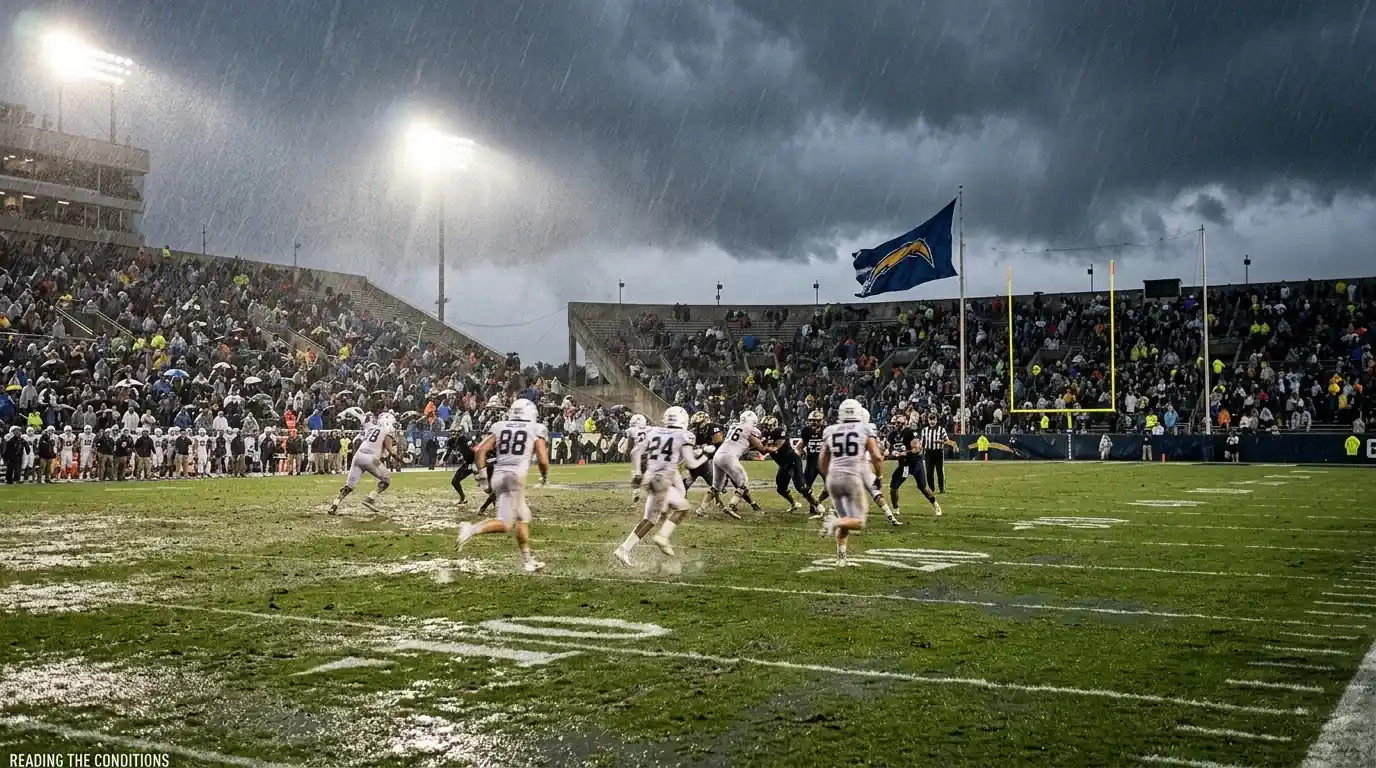
A word on which props reward this work. At one major book, anytime touchdown scorer is the most-bet player prop by turnover, with receiving yards and first touchdown scorer rounding out the top three. The popular markets attract the crowd, which means the context edges — the funnel matchup, the lagging usage line, the windy forecast — are most valuable on the quieter selections it overlooks.
Stacking props in a single bet
Every Sunday my timeline fills with the same thing: an eight-leg same game parlay, every selection a player prop, with a potential return that looks like a phone number. They are intoxicating, and the bookmakers know it — as one sportsbook insider observed when the year’s betting figures were tallied, bettors keep investing in same-game parlays, which have continued to skyrocket. It is the most profitable product the books have.
A same game parlay, branded “bet builder” by most British books, combines several props from one match into a single wager where every leg must win for the bet to pay. The appeal is the multiplied payout; the catch is that because every leg has to land, the probability of the whole bet succeeding falls fast and the bookmaker’s margin compounds at every step.
The numbers are stark. In some American states the hold on parlays has climbed to around 30 percent — roughly six times the margin on a single −110 prop. Parlays generate about a quarter of betting turnover but more than half of operator revenue, which tells you who the product favours. One major operator reported a notable rise in its parlay handle mix year on year, confirming bettors are moving toward exactly the bets that pay the books best.
So why do I ever touch them? Because the legs are correlated, and correlation, used carefully, can work for the bettor. If a quarterback throws for a big yardage total, his top receiver is more likely to go over his receiving line too. Standard parlay pricing often assumes the legs are independent, so when you stack genuinely correlated props the true combined probability can beat the price. That is the one legitimate edge, and it is narrow, because the books block the most obviously linked combinations.
My rule is blunt: a bet builder is entertainment unless you can name the correlation. If you cannot explain in one sentence why these specific legs move together, you are not finding value, you are paying a 30 percent margin for a thrill. There is nothing wrong with a small entertainment stake — just never confuse it with your value betting.
The mechanics of correlation, the blocked combinations and how books price linked legs run deeper than I can cover here. If you are serious about building these properly, the full anatomy of NFL same game parlays and bet builders for UK bettors lays out the correlation logic and the payout maths in detail.
The rulebook tightening around props
Walk through a prop board today and you will notice some markets have quietly disappeared. A few seasons ago you could bet on whether a specific player would commit a penalty; many of those are gone now, and not by accident. The leagues and regulators have been narrowing what books may offer, and you need to understand the shape of that fence, because it changes what is even on the menu.
The clearest signal came in November 2025, when the NFL sent its clubs a memo identifying four categories of prop bets it wants off the board: anything offensive, tied to injuries or fan behaviour; anything about officiating; anything determined by a single person in a single moment, which sweeps up the micro-bets on individual plays; and anything pre-determined. The league framed it plainly, noting that apart from these prohibited categories it engages in comprehensive, year-round educational, monitoring and where necessary disciplinary activity to protect the integrity of the game.
Why single out the “one person, one moment” category? Because the thinner a market is, the easier it is to corrupt. A bet on a single pitch, a single play or an isolated action can in theory be influenced by one participant, and that is exactly the vulnerability the leagues are closing. Baseball took a parallel step, working with operators and regulators to cap bets tied to individual pitches at a low limit. The pattern is consistent: the granular, single-event props draw the heaviest scrutiny.
This is happening against a backdrop of genuine public unease. In an October 2025 survey, 43 percent of American adults said legalised sports betting is bad for society, up from 34 percent three years earlier, and 40 percent called it bad for sport, up from 33 percent. When sentiment shifts like that, regulation follows, and the prop categories most associated with integrity risk go first.
What this means in practice: the prop menu is getting smaller and cleaner, not bigger. The exotic, single-moment markets are being pruned, leaving the substantive performance props — yards, receptions, touchdowns — as the core of what remains. That is no bad thing for a value bettor, because the markets being removed were the highest-margin, lowest-information bets anyway.
The deeper story — the scandals that prompted it, the college game’s separate battle over student-athlete props — runs well beyond a general guide and shifts faster than an evergreen pillar can track. The takeaway is steady regardless of the week: the substantive performance markets you should be betting anyway are the ones left standing.
Staking so you survive the variance
I have watched more good bettors go broke from bad staking than from bad picks. You can have a genuine edge, make all the right reads, and still lose eight props in a row, because variance does not care how clever you are. The bettors who survive that run staked small enough that eight losses was an annoyance rather than a catastrophe.
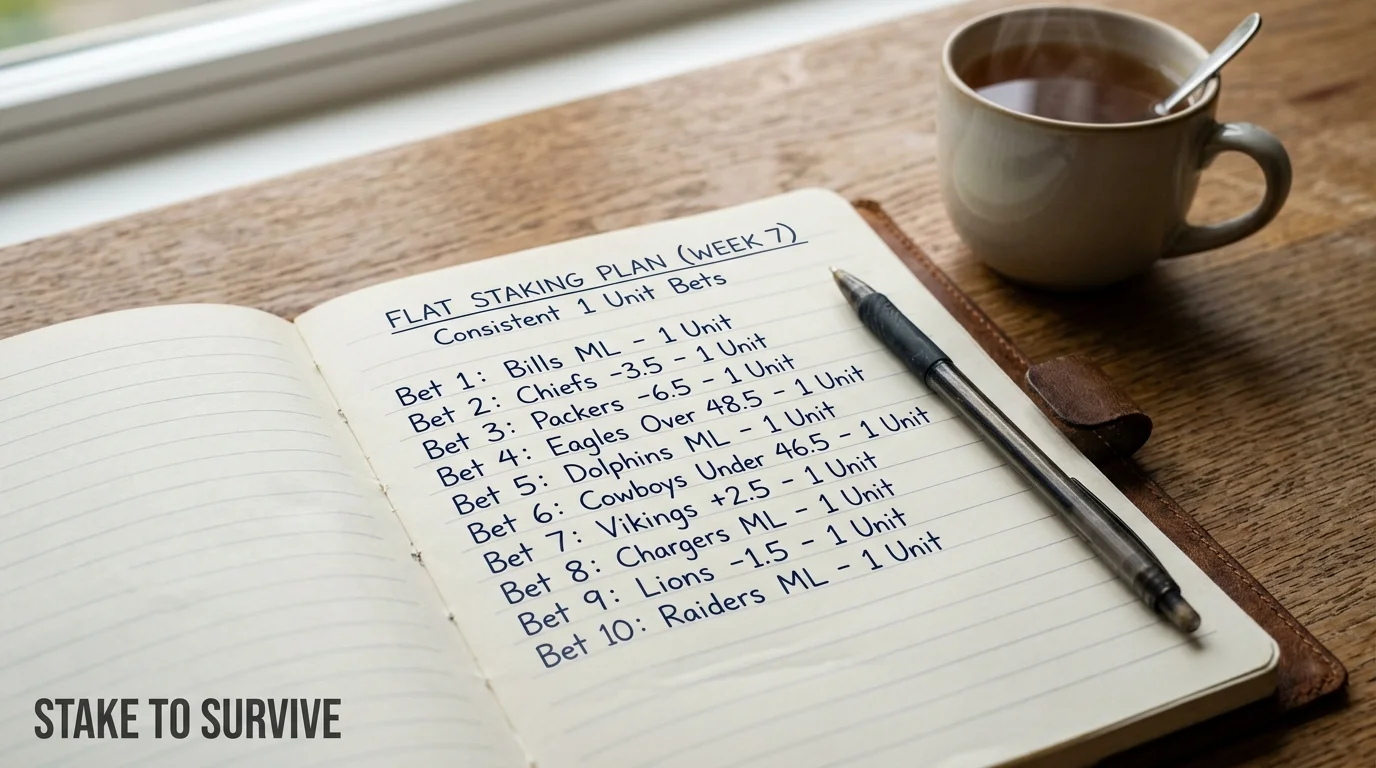
Start with the bankroll: a pot of money set aside for betting that you can lose entirely without it touching your rent, your bills or your life. Size every bet as a fixed fraction of that pot — a “unit”, commonly 1 to 2 percent — rather than as random pound figures plucked from how confident you feel. The reason comes back to the maths: at −110 you need to win 52.38 percent of your bets just to break even, and the road there is bumpy. Stake a flat 2 percent and a run of ten losses costs you a fifth of your bankroll and you carry on; stake by feel, doubling up to “get it back”, and that same run wipes you out before you ever reach the long run where your edge would have paid.
Do
- Set a dedicated bankroll you can afford to lose entirely.
- Stake a fixed 1 to 2 percent per bet and keep it consistent through good runs and bad.
- Shop every line so each bet starts from the best available price.
- Track your bets honestly so you know your real win rate, not your remembered one.
Do not
- Chase losses by increasing your stake to recover a bad run.
- Bet money you need for anything else in your life.
- Size bets by how confident you feel — confidence is not an edge.
- Pile correlated legs into a parlay just because the payout looks big.
Chasing is the killer. After a loss, the urge to win it straight back by betting bigger is the fastest route to ruin — the next bet does not know you lost the last one, and variance has no obligation to even things up on your timetable. Keep staking the exact same fraction, trust the edge, and let the maths grind in your favour over hundreds of bets rather than demanding it pay out this afternoon.
Your edge only exists in the long run, and you only reach the long run by surviving the short one. Flat-stake 1 to 2 percent of a bankroll you can afford to lose, never chase, and a cold streak becomes a footnote rather than an ending.
Choosing where to bet and what to bet with
The most common question I get from British newcomers is not “which pick should I back” but “where should I even bet”. It is the right instinct, because where you bet shapes how much value you can extract before you have read a single line. There are concrete criteria that separate a book worth your time from one that quietly costs you money.
First, only ever bet with a book that holds a Gambling Commission licence. This is not a formality: a UKGC licence means the operator is bound by British consumer protections, your funds are handled to a standard, and you have recourse if something goes wrong. You can check an operator’s licence status through the Commission’s public register, and I would not deposit a penny anywhere I had not confirmed. Beyond the licence, judge a book on the criteria that affect your bottom line rather than the size of its welcome offer.
| Criterion | What to look for | Why it matters for props |
|---|---|---|
| Market depth | Props beyond the headline stars, including secondary players and lower-profile markets | The soft, beatable lines live on the players the big books barely cover |
| Odds format | Easy toggling between fractional and decimal display | You read implied probability faster in the format you think in |
| Price competitiveness | Consistently tighter margins on the props you bet most | A lower overround is a permanent edge before you pick anything |
| Bet builder support | Clear correlation handling and transparent pricing on linked legs | Determines whether builders are ever a value play or pure entertainment |
| Limits and treatment | How quickly winning accounts get restricted | An edge is worthless at a book that limits you the moment you use it |
That last criterion is the dirty secret of the industry: books are happy to take losing action all day, but a consistently winning prop bettor can find his stakes quietly cut — worth understanding before it happens to you, though it is a sign you are doing something right.
On tools, the market has exploded, and the temptation is to outsource your thinking to a model. Resist it. The analytical voices selling these products are not wrong that player props have become the fastest-growing bet type in sports betting, but a projection tool is an input to your judgement, not a replacement. A model can tell you a player projects for 58 receiving yards against a line of 54.5; it cannot tell you his usual quarterback is out or the wind is gusting over the stadium unless you have fed it that.
Choosing a book and a set of tools is the infrastructure of betting. But infrastructure is only safe if the person using it stays in control — which is where the most important part of this whole guide comes in.
Keeping the hobby a hobby
I will be honest with you, because the picks feeds never are: betting is built to be compelling, and the same traits that make a good value bettor — focus, persistence, the willingness to keep going through a losing run — can tip into something harmful if they are not watched. Nine years in, I treat my own betting the way a sensible drinker treats a pub: enjoyable, and bounded by rules I set when I am thinking clearly rather than in the heat of a bad afternoon.
The British system gives you genuine tools, and they are not afterthoughts. GAMSTOP is a free self-exclusion scheme that blocks you from all UKGC-licensed gambling sites and apps for a period you choose — once you register, the operators are obliged to keep you out, which removes the decision from you in the moment you are least able to make it well. Every licensed book also lets you set deposit limits, stake limits and time-outs, and I use them myself, because a limit set on a calm Tuesday protects me from a reckless Sunday. BeGambleAware offers free, confidential support for anyone whose betting is starting to feel less like a choice and more like a compulsion.
The regulator is active in this space, not passive. Britain introduced a £5 stake cap on online slots for all adults from April 2025, tightened to £2 for those aged 18 to 24 from that May — a market that intervenes to protect players rather than leaving them to the operators. The same seriousness that makes the UK a safe place to bet means the safer-gambling tools you are offered are real, enforced and worth using.
The mindset that keeps it healthy is simple: bet only with money you can afford to lose entirely, treat that bankroll as the price of a hobby rather than an investment that owes you a return, and watch for the warning signs — betting to recover losses, betting more than you planned, betting to feel something rather than because you found value.
The single healthiest habit in betting is the willingness to stop. If it is not fun, if it is reaching into money you need, or if you are chasing rather than choosing, take a break, set a limit, or self-exclude. The edge will still be there when you come back. Support is free and confidential through BeGambleAware and GAMSTOP, and using it is a sign of strength, not failure.
Questions British prop bettors keep asking
Over the years the same handful of questions come up again and again from sharp newcomers who want the specifics nailed down.
What is an NFL player prop bet?
It is a wager on the individual performance of one named player, rather than on who wins or by how much. Passing yards, receiving yards, receptions and whether a player scores a touchdown are all player props, usually framed as an over/under around a line the bookmaker sets. The defining feature is that the result does not depend on the game’s outcome: your player can have a huge day while his team loses heavily, and your bet still wins.
What are the most popular NFL player props?
The yardage markets — passing, rushing and receiving yards — are the backbone, continuous numbers that reward careful projection. Anytime touchdown scorer is the single most-bet player prop by turnover at one major book, with receiving yards and first touchdown scorer also in its top three. The popular markets are not always the most profitable, since heavy public money tends to shorten the obvious selections past fair value.
How do you find value in NFL player props?
You compare the probability the bookmaker is implying against your own honest estimate of the true probability. Convert the price to an implied probability, strip out the margin to find the fair line, then ask whether your projection clears that fair number with room to spare. If your estimate is higher, the bet has positive expected value; if lower, you pass. Most props do not contain value, and the discipline to pass is where the profit actually lives.
Why is the juice on player props higher?
Player props carry a margin that typically runs 6 to 10 percent and higher, markedly heavier than the cut on spreads and totals. The reason is structural: prop markets are thinner, the outcomes more variable, and the limits lower, so the bookmaker protects itself with a fatter margin. That heavier toll is exactly why finding genuine value matters more on props than anywhere else.
Can UK bettors bet on NFL player props?
Yes. NFL player props are widely available through Gambling Commission-licensed operators serving the British market, with prices shown in fractional or decimal odds rather than the American format. Confirm the operator holds a UKGC licence before depositing, read the price as an implied probability whatever its format, and shop the same selection across more than one book for the best number.
What is a same game parlay or bet builder on the NFL?
It combines several props from one match into a single wager where every leg must win for the bet to pay; British books usually brand it a bet builder. The appeal is the multiplied payout, but the bookmaker’s margin compounds at every leg and parlay holds can climb dramatically. The one legitimate edge is correlation — when legs genuinely move together, such as a quarterback’s passing yards and his top receiver’s receiving yards, the true combined probability can beat the price. If you cannot name the correlation, treat the builder as entertainment.
If a single thread runs through these answers, it is this: the price comes first. Whether you are sizing up a touchdown market, a yardage line or a bet builder, the discipline is to read what the bookmaker is charging, account for the margin, and only then bring your own opinion to bear.
Turning method into a steady edge
Let me bring you back to that coffee with my mate, the one who wanted a list of best bets and got a method instead. A couple of seasons on, he is the one explaining implied probability to people at the pub, because the method did something a list never could: it kept working after that Sunday’s games were forgotten. Picks expire. Method compounds.
Everything here fits into a single loop you can run on any prop, in any week. Convert the price to a probability, strip the margin to find the fair line, and compare it against your honest read of the player’s role, the game script, the matchup and the conditions. Bet only when your number clears the fair line with room to spare, stake a small fixed fraction of a bankroll you can afford to lose, shop for the best price, and pass — calmly, often — on everything that does not meet the bar. The British bettor is unusually well placed to do this: a mature, well-regulated market, deep online prop menus on a sport the domestic crowd largely ignores, and a 13-million-strong fanbase the existing coverage has barely bothered to serve. The edges are there precisely because nobody is teaching this properly. Now you have the loop.
You will not beat the prop market by knowing more football than everyone else. You will beat it by reading prices more honestly, paying the margin less often, and having the patience to back only the numbers that are actually wrong. Method over picks, every single week — that is the edge, and now it is yours.
Created by the ”Best nfl Player Prop Bets” editorial team.