NFL Passing Touchdowns Props: Betting Quarterback TD Totals
 Available in US
A bet decided by whole numbers, not inches
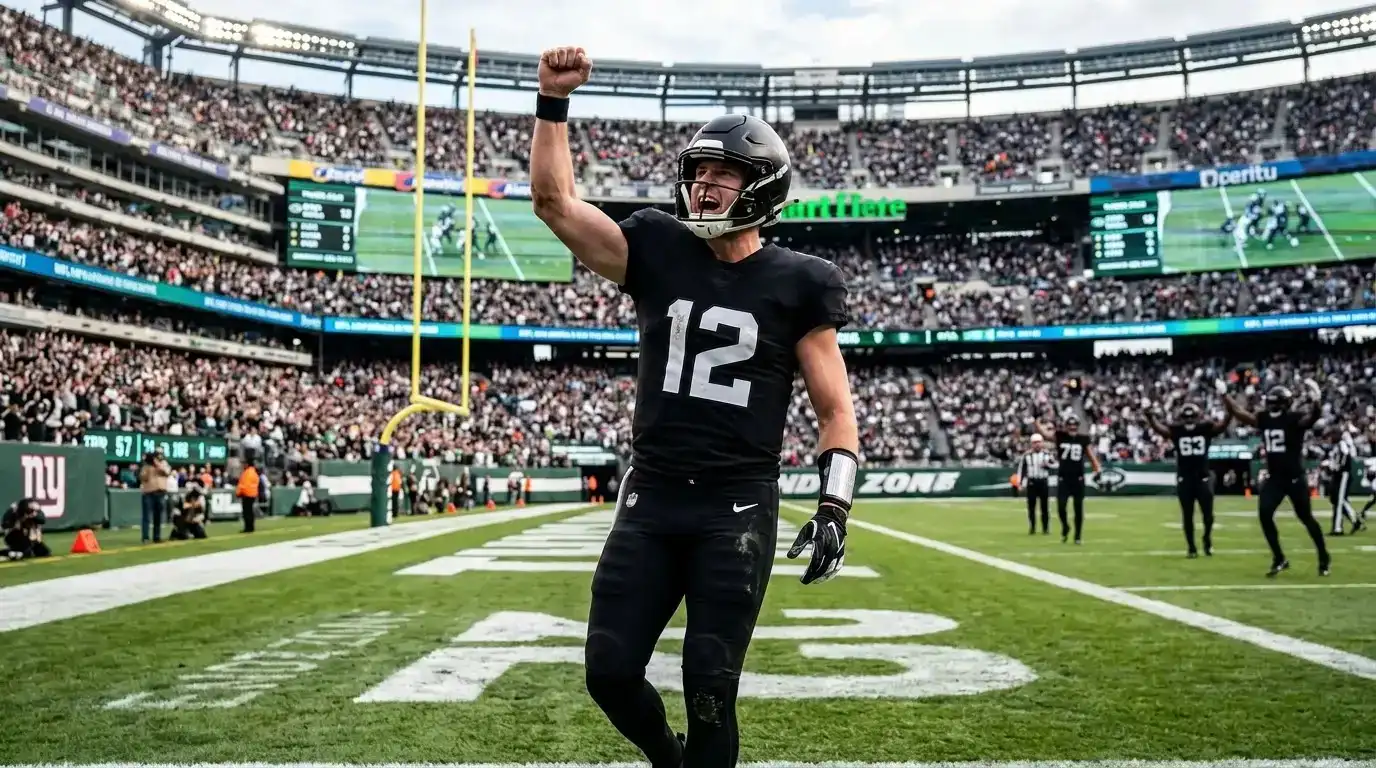
The passing touchdowns prop taught me to respect the difference between a smooth market and a lumpy one. A passing touchdowns prop is a wager on how many touchdown passes a quarterback throws, settled above or below a posted line that usually sits at 1.5 or 2.5. Unlike yardage, which accumulates in a steady stream, touchdowns arrive in indivisible chunks. You cannot throw half a touchdown, and that single fact makes this one of the most volatile markets on the board.
Think about what that lumpiness does. A quarterback can play brilliantly, march his team up and down the field, and finish with one passing touchdown because his running back punched in the scores from the one-yard line. The same quarterback can have a quiet, error-strewn afternoon and finish with three because of a couple of broken coverages. The bet does not reward good play; it rewards crossing the goal line through the air, and that is a far narrower outcome than yards.
Props are now the fastest-growing bet type in sports betting, and the passing touchdown line draws plenty of casual action because scoring is exciting and stars feel like locks to find the end zone. While spreads still attract 61 per cent of NFL bettors, the touchdown markets pull the eye. That popularity is part of the problem: the crowd backs overs on big names, and the discrete, unpredictable nature of the bet means a lot of that money is chasing a number that variance laughs at.
Analyse how NFL interceptions props correlate with touchdown volume.
What the touchdown total is pricing
A passing touchdowns prop is an over/under settled on touchdown passes thrown, nothing else. A quarterback’s own rushing touchdown does not count toward his passing touchdown line, because a rushing score is not a thrown touchdown. A two-point conversion pass does not count either, since a conversion is not a touchdown. The number is purely the count of times the quarterback completes a pass that the receiver carries into the end zone, or catches there. Clean to settle, brutal to predict.
The pricing carries the usual prop structure. A two-way line at -110 each produces an overround near 4.8 per cent, so the implied probabilities sum to about 104.8 per cent and the genuine break-even sits around 52.4 per cent. Props broadly run a margin of 6 to 10 per cent, wider than spreads or totals, and on a low-number, high-variance market like this one the book has every incentive to charge for the uncertainty. You are paying for the privilege of guessing how many discrete events occur in a sample of one game.
Because the line usually sits at 1.5 or 2.5, the whole bet often hinges on a single score. A quarterback projected for two touchdowns is genuinely a coin flip to land on one or three, and the book knows it. That razor margin is why I treat this market with more caution than any yardage prop: there is very little room between a winning ticket and a losing one.
The variance problem you cannot wish away
I once modelled a quarterback as a strong over at 1.5 touchdowns, watched him throw for 340 yards, and lost the bet because his team scored three times on the ground. Nothing about my read was wrong. The variance simply landed in the gap between great passing and passing touchdowns, which is wider than people think. That is the trap of this market: you can be right about the process and still lose to the lumpiness of the outcome.
The maths of small numbers is unforgiving. With yardage, a projection can be slightly off and still win, because the total is built from dozens of plays and errors average out. With touchdowns, the outcome is one, two, or three events, so a single goal-line carry instead of a fade route flips your bet. There is no averaging-out over a single game. This is why I size touchdown props smaller than yardage props and demand a wider edge before I bet, because the variance is doing more to my result than my read is.
The practical upshot is that touchdown props punish overconfidence. A line that looks soft on a great quarterback against a poor defence is still a discrete-event bet, and discrete events do not care about your matchup analysis nearly as much as you would like. Respect the variance, or it will collect.
Reading the line through implied team totals
The single most useful input on a passing touchdown prop is not the quarterback at all; it is how many points his team is expected to score. The implied team total, which you can read straight off the spread and the game total, tells you how many trips to the end zone are likely. A team implied for 27 points is probably scoring three or four times; the question is only how many of those come through the air versus on the ground.
That is where game flow takes over. A team expected to lead and run out the clock will see more of its scores come on the ground, suppressing the passing touchdown count even on a high team total. A team expected to trail and throw will funnel more scoring through its quarterback. The spread, in other words, is doing double duty: it sets the scoring environment and hints at how that scoring gets distributed. The mechanics of how a game’s expected flow redistributes scoring are worth a proper read in game script and pace, because they decide more passing touchdown bets than raw talent does. I always start with the team total, then ask the script how the points get split.
See also: best nfl player prop bets for all NFL quarterback props.
Where the value actually sits
Value on a passing touchdown prop is the gap between your projection and the book’s no-vig line, and on this market the cushion needs to be generous. I devig the price first, because -110 each way is not fair, then estimate the probability of the over from the team total and the expected pass-run split, and only bet when that probability clears the fair break-even with real margin. A thin edge on a discrete-event prop is not an edge at all once variance has its say.
The best spots tend to be unders on big-name quarterbacks whose overs the crowd has inflated, and overs on passers whose teams project to trail and throw in a high-scoring environment that the market has underweighted. Line shopping matters as much here as anywhere: the price on a 1.5 or 2.5 touchdown line can differ enough across UK books to swing your expected value meaningfully. Project, devig, shop, and stake small. On a market this lumpy, discipline is the only durable edge.
Why are passing TD props so volatile?
Touchdowns arrive in indivisible whole numbers, so the bet usually hinges on a single score crossing the line. A quarterback can play superbly and finish with one passing touchdown if his team scores on the ground, or have a poor day and throw three. Because the outcome is just one, two or three discrete events in a single game, there is no averaging-out, which makes the market far jumpier than yardage.
How does a team’s implied total predict QB touchdowns?
The implied team total, read off the spread and game total, estimates how many points a team will score and therefore how many trips to the end zone are likely. A higher implied total points to more scoring chances, and how many of those come through the air depends on the expected game script. It is the strongest single input for projecting a quarterback’s touchdown count.
Do rushing touchdowns by the QB count?
No. A passing touchdowns prop settles only on touchdown passes thrown. A quarterback’s own rushing touchdown is a rushing score, not a thrown one, so it does not count toward the passing line. A two-point conversion pass does not count either, since a conversion is not a touchdown. Only completed passes carried or caught in the end zone add to the total.
Written by the editors at Best nfl Player Prop Bets.