Line Shopping NFL Props: Why the Same Bet Has Different Prices
 Available in US
The free edge most bettors leave on the table
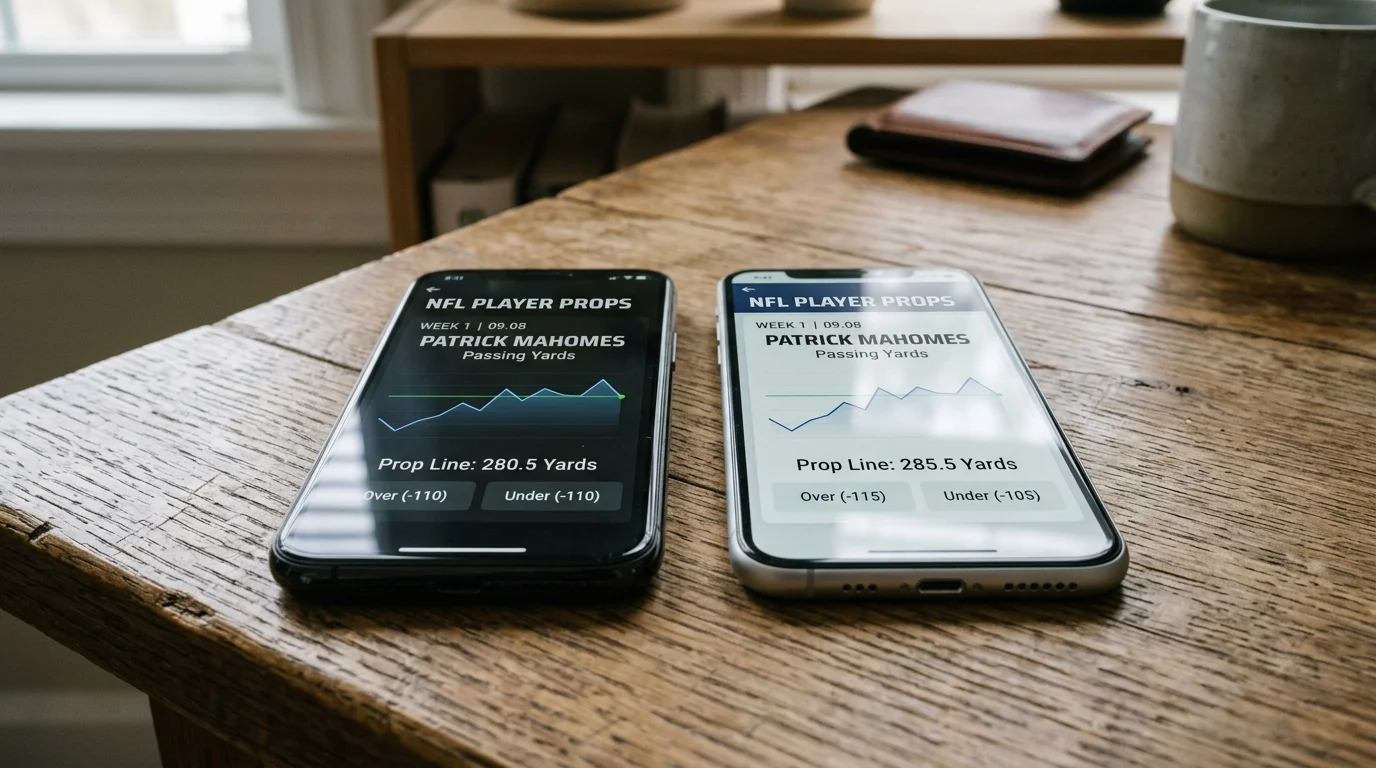
I have a rule I never break: I do not place a prop bet at the first price I see, ever. Line shopping is the practice of comparing the price for the same prop across multiple bookmakers and betting it where the number is best. It is the closest thing to free money in this entire pursuit, because you are improving your return without changing your read at all, and yet most bettors skip it because it takes a few extra seconds. Those seconds compound into real money over a season.
The reason it works is that there is no single “correct” price for a prop. Each book sets its own number, and those numbers drift apart based on the book’s model, its existing exposure, and how much sharp money it has taken. Crucially, the house margin is not fixed either; the implied national hold on US books climbed to around 10.2 per cent in 2025, up from 9.2 per cent the year before and well above the 6.9 per cent of 2019. Margins are rising, which makes squeezing the best available price more valuable, not less.
Here is the thing nobody wants to hear: if you bet the same prop at an inferior price every week, you are voluntarily handing the book extra margin on top of the vig it already charges. Line shopping is how you stop doing that. It is not glamorous, it is not a clever angle, it is just refusing to overpay, and it is the single highest-return habit a recreational bettor can adopt without learning a thing about football.
Explore how NFL alternate lines on props can unlock better prices.
Why prices differ from book to book
Picture two bookmakers watching the same Sunday slate. They run different pricing models, they have taken different bets, and they hold different risk on each player. So when they each set a receiving yards line, they land in slightly different places, and they price the over and under differently around it. That divergence is not a glitch; it is the natural result of independent businesses making independent judgements about the same uncertain event.
Existing exposure is a big driver. If a book has already taken a pile of money on a star receiver’s over, it may shade its line to discourage more of the same and attract the under, which leaves a better over available somewhere else. Sharp money does the same job over time, nudging the books that take it toward one number while slower books sit at another. The result is a constantly shifting spread of prices on the identical bet, and the gap between the best and worst is your opportunity.
Props amplify all of this because they are thinner markets than sides or totals. A book has less data and less liquidity on an individual player line, so its number is a rougher estimate and more prone to drift from the pack. That is precisely why line shopping pays more on props than on the main markets: the prices are more scattered, so the best available number stands further out from the average.
How to actually shop a line
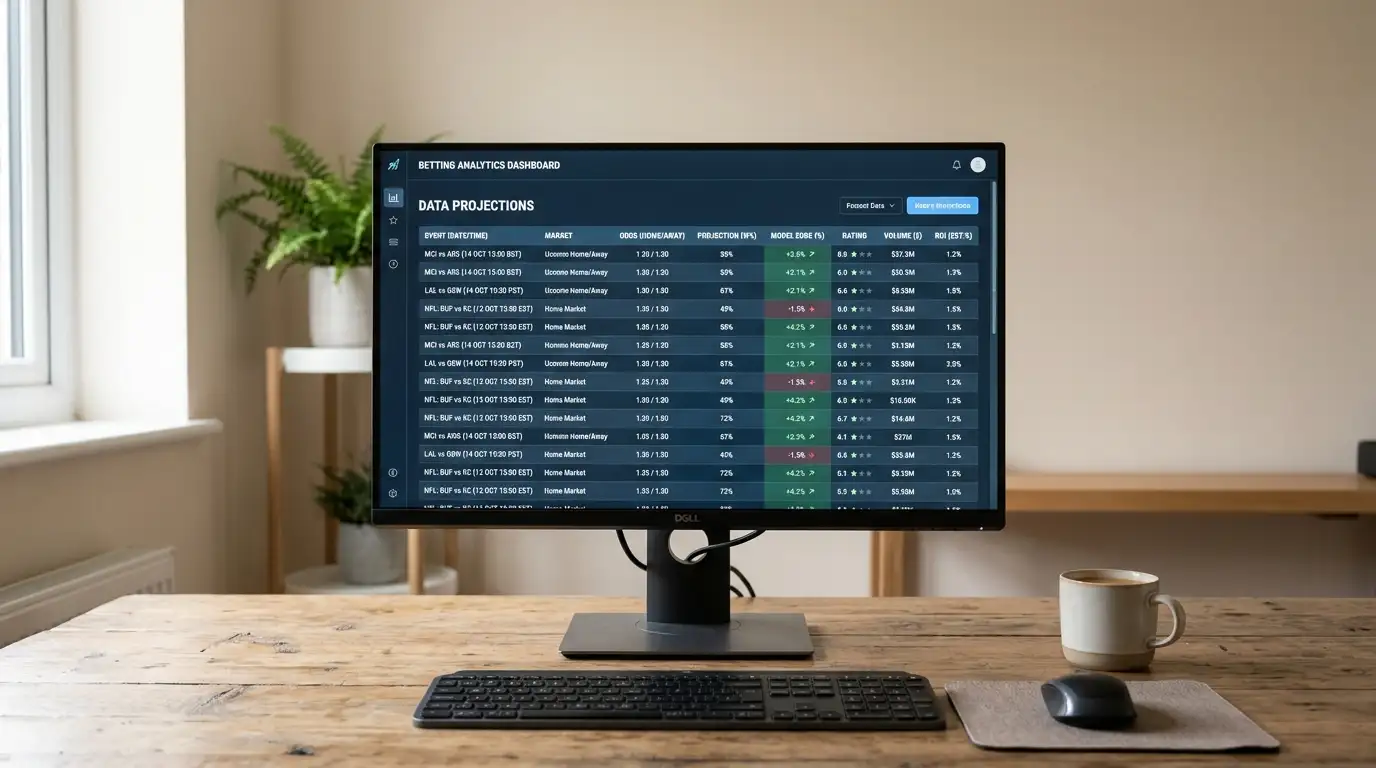
The method is simple and the discipline is everything. Before betting any prop, I check the same market across the UK books I hold accounts with, note where the line and the price are most favourable for the side I want, and bet it there. That is the whole technique. It takes under a minute once you have a few tabs open, and it turns the abstract idea of “getting the best price” into a concrete habit you do every single time.
You do need accounts at more than one bookmaker for this to work, because shopping with a single book is just looking at one price. Two or three UKGC-licensed books give you a meaningful spread to choose from; more is better but with diminishing returns. The point is not to chase every fractional difference across a dozen sites, but to never be stuck taking whatever one book happens to offer. Even two books materially improves your average price over a season.
Line shopping is the front end of a longer discipline. Getting the best price at the moment you bet is closely related to whether you are beating the market’s final number, which is the deeper measure of whether your bets are any good. I unpack that connection in closing line value on props, because shopping for the best price now and beating the closing line later are two halves of the same skill. Master shopping first; it is the easier and more immediately profitable of the two.
See also: best nfl player prop bets for top NFL betting strategies.
Why half a point changes everything
The part of line shopping people underrate most is the line itself, not just the price attached to it. A receiving yards prop at 49.5 is a meaningfully different bet from the same prop at 50.5, even though they look almost identical. That single yard can be the difference between a winning ticket and a push, and over a season those half-points decide a startling share of your results. Shopping the number, not only the odds, is where the biggest gains hide.
The maths is unforgiving, which is exactly why the half-point matters. At a standard -110 price, your break-even win rate is 52.38 per cent, so you are already fighting an uphill margin on every bet. Getting a half-point of line in your favour shifts the actual probability of your side winning, which is far more powerful than shaving a little off the price. A better line lowers the bar your bet has to clear; a better price only sweetens what you collect when it does. Whenever I can choose, I take the better line over the better odds, because moving the probability beats moving the payout. Shop both, but prize the number.
Is line shopping worth it for small stakes?
Yes, and arguably more so. The benefit of line shopping is a percentage improvement on every bet, so it scales with how often you bet, not how large your stakes are. A small-stakes bettor placing dozens of props a season gains just as much in relative terms as a big bettor. Since shopping costs nothing but a minute of time, it is the highest-return habit available regardless of how much you stake.
How much does a half-point change a prop price?
A half-point can swing a prop substantially because it shifts the actual probability of your side winning, not just the payout. A line of 49.5 versus 50.5 on a receiving yards prop is the difference between a winner and a push on any result landing on 50. Over a season, half-points decide a surprising share of outcomes, which is why shopping the line itself often matters more than shopping the odds attached to it.
Do I need accounts at several UK bookmakers?
To shop effectively, yes, because comparing prices requires more than one price to compare. Holding accounts at two or three UKGC-licensed bookmakers gives you a meaningful spread of lines and odds to choose from on any given prop. More accounts help with diminishing returns, but even two books materially improve your average price over a season compared with always taking whatever a single book offers.
Prepared by the Best nfl Player Prop Bets editorial staff.