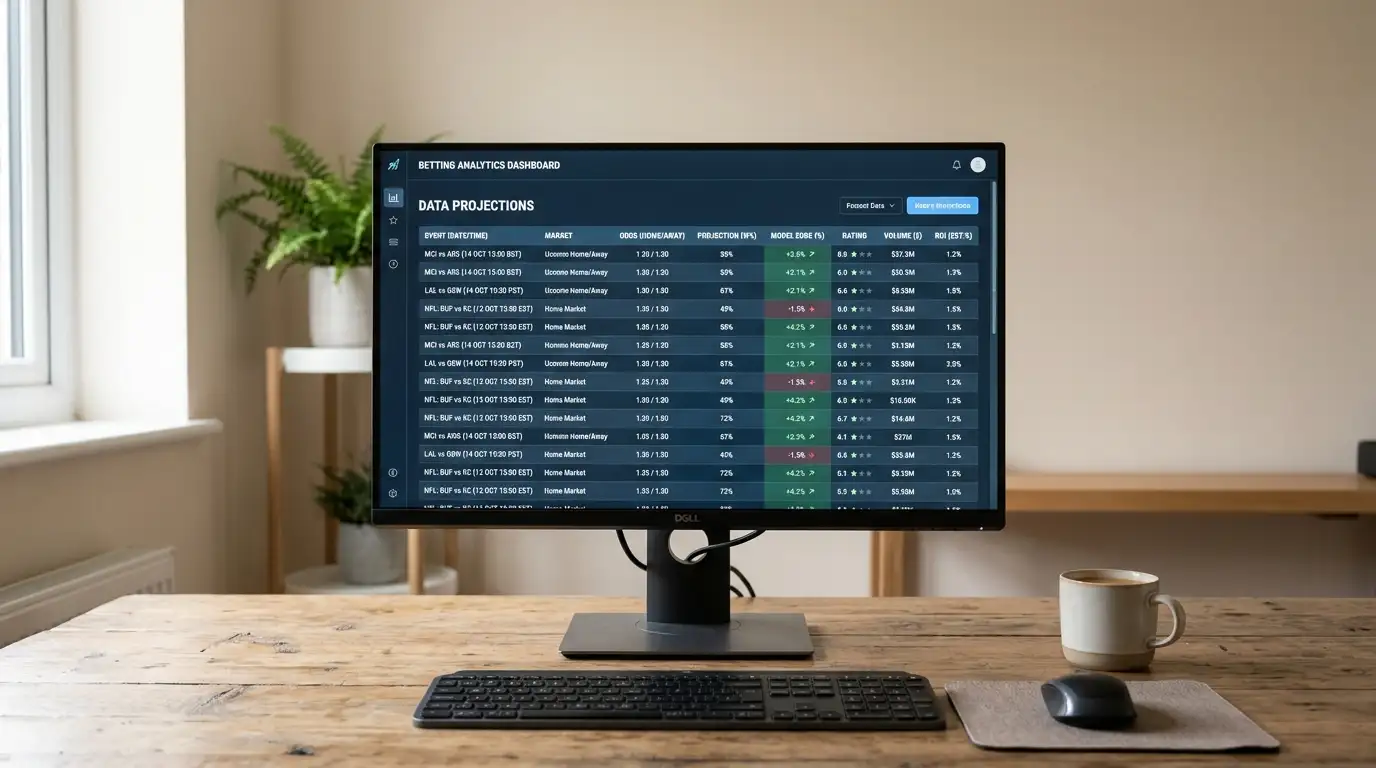
The Over Bias in NFL Props: Why Casual Money Inflates the Over
 Available in US
People bet on things happening
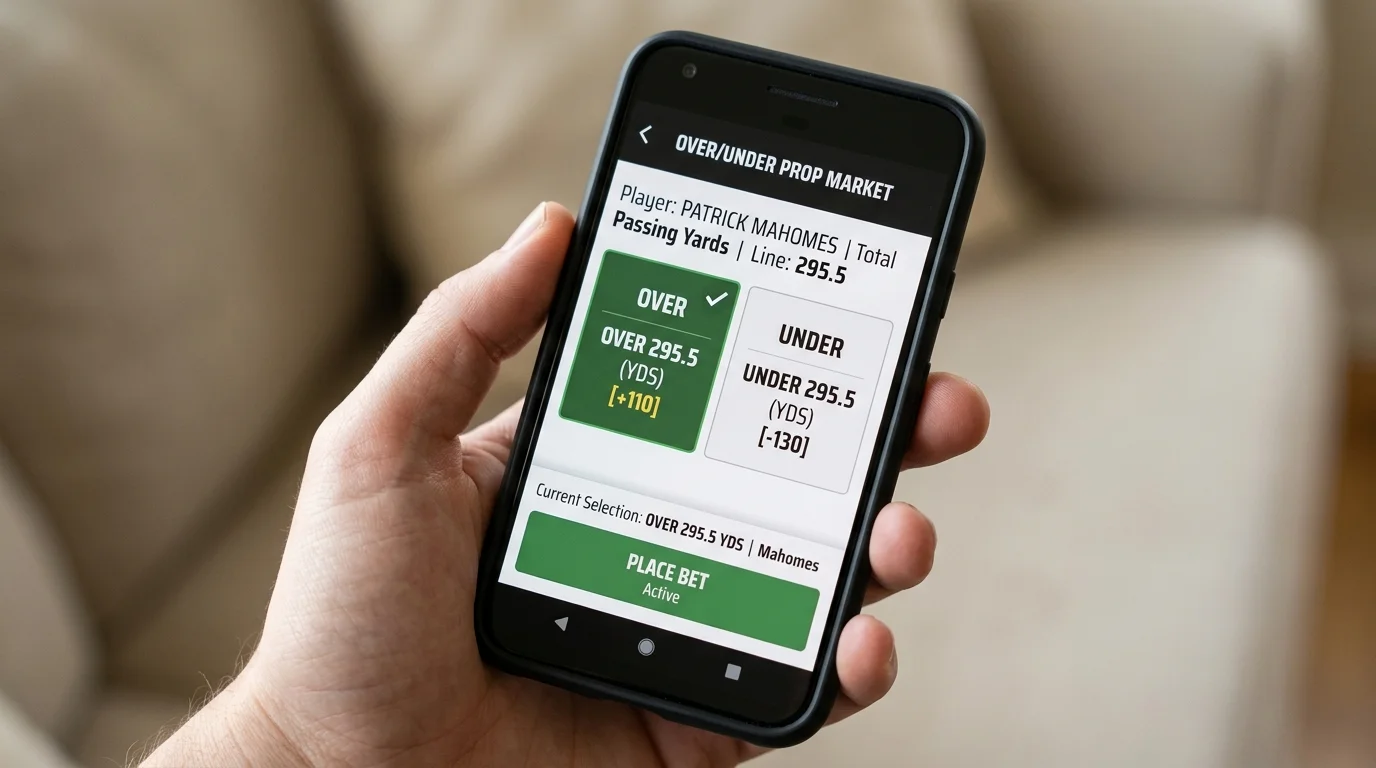
The most reliable behavioural tilt in prop betting is also the most human. Over bias is the tendency of casual money to pile onto the over in player prop markets, because betting on a thing happening is simply more fun than betting on it not happening. Nobody buys a ticket dreaming of a quarterback failing to reach a yardage figure. They dream of him smashing it. That emotional pull, multiplied across thousands of recreational bettors, leaves a footprint in the prices, and once you can see it, you cannot unsee it.
This is one of the few genuinely exploitable patterns in a market that is otherwise very good at pricing itself. The over bias exists not because the over is more likely, but because more money wants the over regardless of likelihood. That imbalance creates a structural opportunity for the disciplined bettor who is willing to do the unglamorous thing and back the under when the numbers say so. It is not a secret system; it is just a willingness to bet against the crowd’s instincts.
The behaviour makes sense when you see how the betting public engages with props in general. Props have stopped being a novelty and are now the fastest-growing bet type, while the traditional markets still dominate, with spreads drawing 61 per cent of NFL bettors and totals around 47 per cent. As props pulled in a flood of newer, more recreational money, that money brought its over-loving instincts with it. The result is a market where the over is systematically more popular than it is correct, and that gap is where unders earn their keep.
What over bias looks like in the market
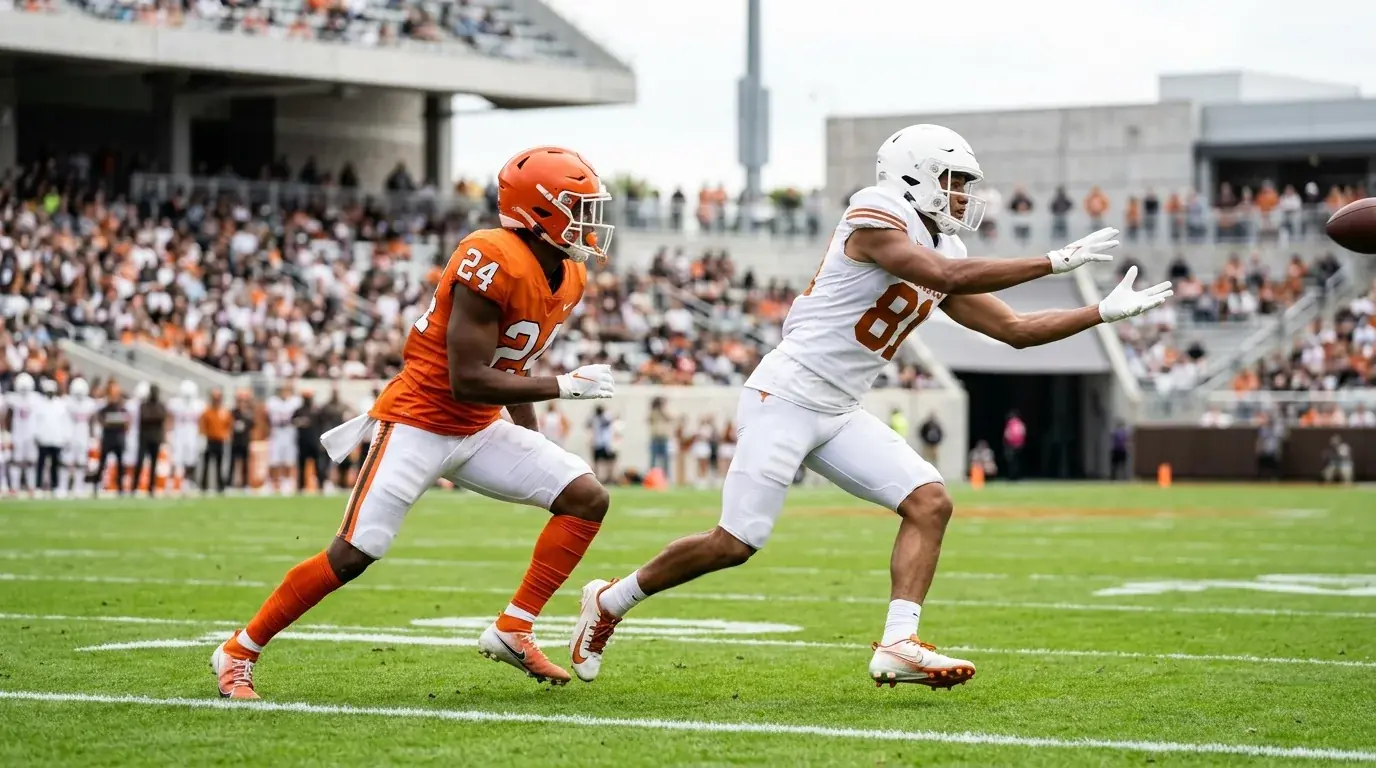
Over bias shows up as a lopsided flow of money toward the over on a given prop, often well out of proportion to the true probability of the outcome. Picture a popular receiver’s receiving yards line: the casual money floods the over because backing a star to produce feels right, while the under sits comparatively neglected. The book sees that imbalance build and responds, because its job is to manage risk, not to leave a fair price hanging while one side gets hammered.
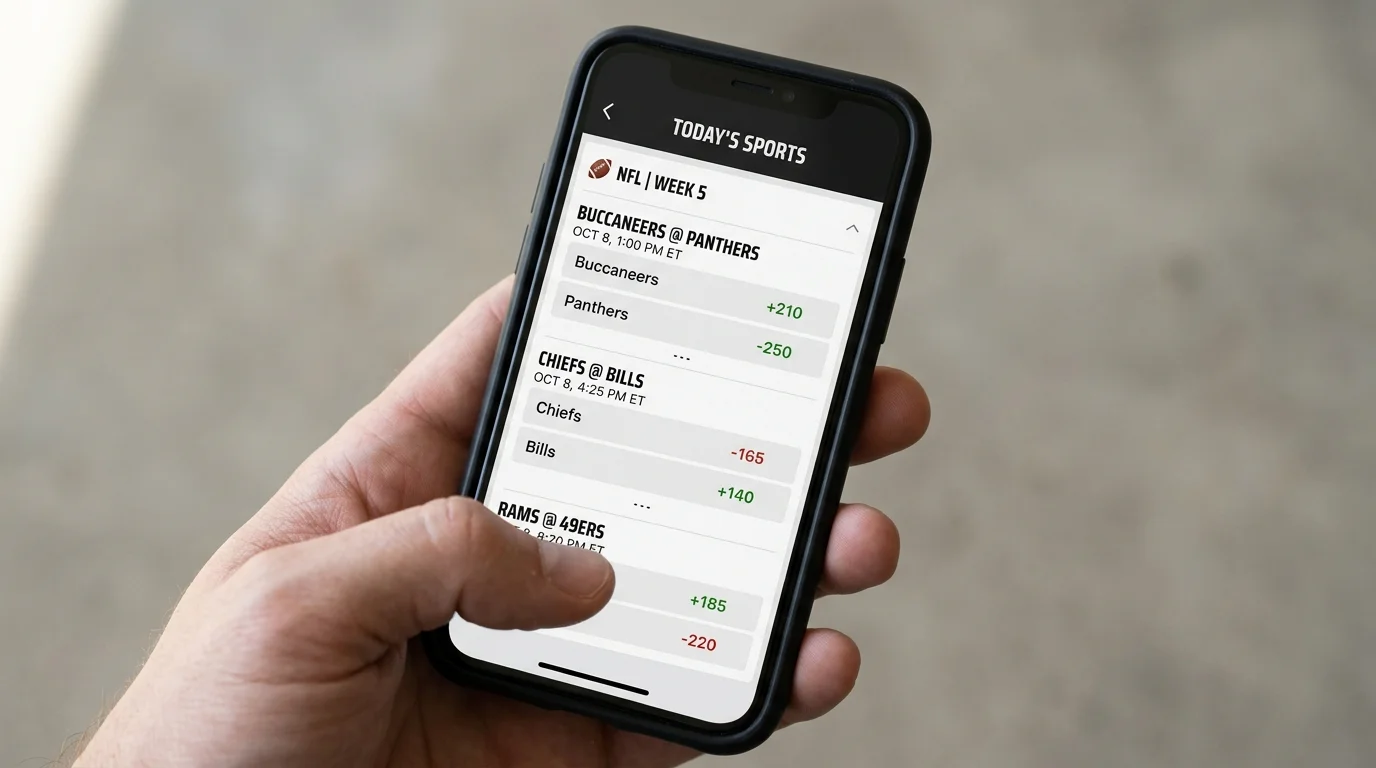
The response is line shading, which is the book nudging its number or price to account for where the money is going. If the over is being battered, the book can shade the line up slightly or worsen the over’s price, making the over a touch harder to win and the under a touch easier. That shading is the fingerprint of over bias, and it means the under is frequently the side with the better true value even when nobody wants it. The crowd’s enthusiasm has, in effect, subsidised the contrarian’s edge.
Not every prop is equally affected. The bias bites hardest on high-profile players and exciting outcomes, the yardage and touchdown markets on household names, where the emotional pull toward the over is strongest. On obscure players and dull-sounding lines, the public has less reason to lean over, so the shading is milder. Knowing which props attract the heaviest over bias is half of knowing where to look for under value.
Why the bias persists
You would think a known, exploitable bias would get arbitraged away, and on a perfectly efficient market it might. But the over bias persists for a simple reason: it is fed by an endless supply of recreational money that does not care about value. Each week brings new casual bettors, each carrying the same instinct to back things happening, so the bias replenishes itself faster than sharp money can fully correct it. It is a behavioural constant, not a temporary mispricing.
The growth of the prop market keeps the tap flowing. With props now the main driver of betting growth and the survey numbers showing how much they have entered the mainstream, the proportion of unsophisticated money in these markets stays high. That money is not trying to find the fair price; it is trying to have a good time, and a good time means backing the over. As long as props keep recruiting recreational bettors, which they show every sign of doing, the over bias has a permanent fuel source.
This is why I treat over bias as a durable feature rather than a fleeting angle. It is not going to be competed away next season, because the behaviour driving it is baked into how most people enjoy betting. That permanence is what makes it worth building a habit around: a structural tilt you can lean on week after week beats a clever angle that stops working the moment everyone notices it.
Finding value on the under
Backing unders is psychologically miserable and mathematically smart, which is exactly why so few people do it well. The method is to identify props where the over is clearly the public’s darling, then check whether the shading has pushed the under to genuine value. I never assume the under is good just because the over is popular; I do the arithmetic. That means stripping the margin out of the price to find the fair, no-vig probability, then betting the under only when my own estimate clears it.
That devig step is non-negotiable, because a standard prop at -110 each way still carries an overround of about 4.8 per cent, and on props the margin often runs to 6 or 10 per cent. The over bias may have handed the under better value than it deserves, but the house margin has not gone anywhere, so you still have to beat it. The full method for converting a price to its fair probability is the one I lay out in vig and implied probability on props, and it is the tool that turns “the crowd loves the over” into an actual bet rather than a hunch. Find the heavily backed over, devig the under, and bet only when the fair number says yes. The discomfort of betting against the room is the price of admission to the edge.
Are unders really better value than overs?
Often, but not automatically. The over bias means casual money floods the over, which can push books to shade lines and prices in ways that leave the under with better true value. But that is a tendency, not a rule. You still have to strip the margin out of the price and compare it to your own honest probability estimate. The under is the side worth checking, not the side to back blindly.
How do books shade lines for over bias?
When heavy money floods the over on a prop, a book manages its risk by nudging the line up slightly or worsening the over’s price. This shading makes the over marginally harder to win and the under marginally easier, balancing the book’s exposure. The fingerprint of over bias is exactly this: a line or price tilted to account for one-sided money, which often leaves the neglected under with the better value.
Does over bias appear on every prop type?
No, it varies by how exciting the market is. The bias bites hardest on high-profile players and thrilling outcomes, like yardage and touchdown lines on star names, where the emotional pull toward the over is strongest. On obscure players and dull-sounding props, the public has less reason to lean over, so the shading is milder. Knowing which markets attract the heaviest over money tells you where to hunt for under value.
Created by the ”Best nfl Player Prop Bets” editorial team.