College Player Prop Bans: Why the NCAA Wants Them Gone
 Available in US
When the bettor and the player are the same age
There is a moral weight to college prop bets that professional ones simply do not carry, and it is the reason the NCAA has spent years trying to abolish them. A college player prop is a wager on the individual statistics of a student-athlete, an unpaid, often teenage participant, rather than on a salaried professional. That single distinction, the youth and amateur status of the player, sits at the centre of why college player props have become one of the most contested markets in American sport.
The concern is not abstract. When real money rides on a 19-year-old’s yardage total, that player becomes a target, both for those who might pressure him to underperform and, more commonly, for the abuse that follows when his statline costs strangers their bets. The NCAA’s argument is that adult professionals signed up for the scrutiny that comes with a betting market on their performance, while student-athletes did not, and exposing them to it creates harms the game should not tolerate. That framing has driven a sustained campaign to remove these bets entirely.
It also lands at a moment when the public has cooled on betting generally. A 2025 Pew Research survey found 43 per cent of American adults consider legalised sports betting bad for society, up from 34 per cent in 2022. Against that backdrop, a campaign to protect young athletes from betting-related harm has both genuine motivation and broad public sympathy, which is part of why it has gained real traction with regulators rather than remaining a complaint.
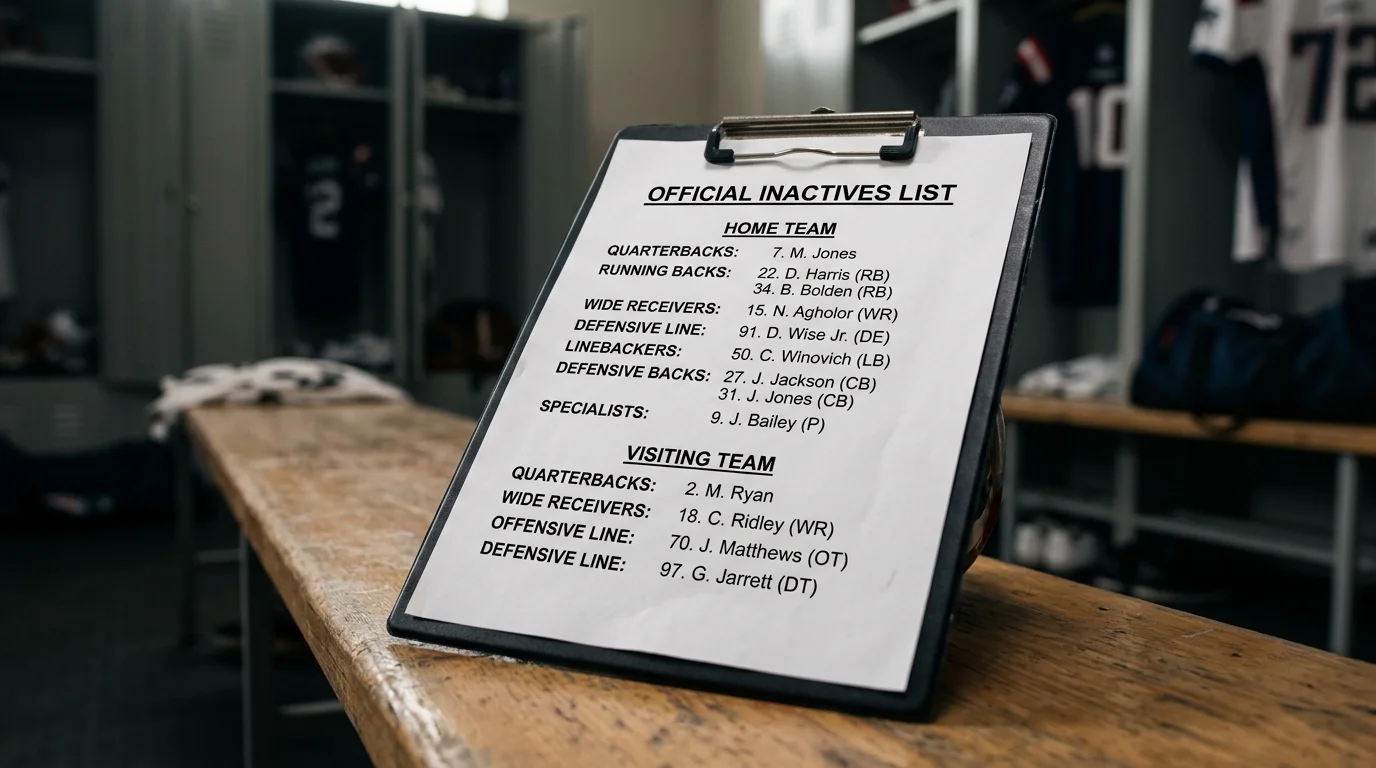
Learn what happens when a player is inactive in our NFL prop void rules guide.
The NCAA’s position
The NCAA has been blunt about what it wants and why. Its leadership has framed college player props as a direct threat to athletes, welcoming wider efforts to curb them and stating that the organisation had been working to put an end to prop bets for two years, calling them integrity risks that lead to abusive behaviour toward student-athletes. The two strands of the argument, manipulation risk and player harassment, run through everything the body has said on the subject.
The harassment strand is the one the NCAA emphasises most, because it is the most visible. The organisation has said it regularly hears concerns from schools and student-athletes across the country about the impacts of sports betting, and those impacts include players receiving abuse from bettors who lost money on their performance. A missed catch or a quiet game can trigger a wave of hostility aimed at a young person who is not paid to absorb it. The NCAA’s case is that no statline is worth subjecting an amateur to that, and that removing the prop market removes the financial motive behind much of the abuse.
The integrity strand reinforces it. Student-athletes are seen as more vulnerable to manipulation than wealthy professionals, because they are unpaid and the sums involved in corrupting a single prop could seem significant to someone receiving no salary. The NCAA’s two concerns therefore point the same way: college props endanger the people they are based on, both by exposing them to abuse and by making them targets for those who would fix outcomes. This is the same integrity logic the professional game has acted on, and the NFL’s parallel move on its own markets, which I cover in the NFL’s 2025 prop memo, draws on a strikingly similar rationale.
A patchwork of state rules
What makes the college prop question messy is that there is no single national answer; it is decided state by state, and the map is a patchwork. Louisiana, for instance, has banned college player props outright. But the broader picture is uneven: more than 20 states with legal betting still allow college player props, while at least 17 states have introduced restrictions of some kind. The result is that whether you can bet a college player’s statline depends entirely on where the wager is being placed.
This fragmentation matters because it shows the NCAA’s campaign succeeding in some places and stalling in others. The organisation has lobbied states individually to restrict or ban these markets, and the growing count of states introducing limits reflects real momentum. But the substantial number still permitting the bets shows how far the campaign has to go before college props disappear nationally. Each state weighs the athlete-protection argument against the tax revenue the markets generate, and they have reached different conclusions.
The trend, though, runs one direction. With the NCAA pressing, public sentiment cooling, and a steady accumulation of states adopting restrictions, the momentum is clearly toward fewer college prop markets over time, not more. The patchwork of today looks less like a stable equilibrium and more like a snapshot of a market being gradually legislated out of existence, state by state, as the athlete-welfare argument wins ground.
See also: best nfl player prop bets for the latest prop betting news.
What this means for a UK bettor
For a British reader, the obvious question is whether any of this affects them, and the honest answer is barely, with one caveat. The state-by-state bans are a feature of the American regulatory system and apply to wagers placed within those US states. A UK bettor operates under UKGC regulation, where the availability of college sports markets is a separate matter governed by what UK-licensed books choose to offer rather than by Louisiana’s statute or the NCAA’s lobbying.
In practice, college American football has never been a deep market for UK books the way the NFL is, so most British bettors will rarely encounter college player props in the first place. Where a UK book does offer college markets, their availability turns on that book’s own commercial and compliance decisions, not on the US state patchwork. The American bans do not directly close a UK bettor’s market, but the broader chill, books worldwide growing cautious about anything touching amateur-athlete welfare, may quietly reduce what is on offer.
The more useful takeaway is conceptual. The college prop fight is the clearest illustration of the principle now reshaping betting menus everywhere: markets built on vulnerable or manipulable participants are being restricted, regardless of how popular or profitable they are. A UK bettor watching the American college game get legislated should read it as a signal of where the whole industry’s ethics are heading, with athlete welfare increasingly trumping market availability. That direction of travel matters more to a British reader than the specific Louisiana rule ever will.
How many US states restrict college player props?
The picture is a patchwork. At least 17 states with legal betting have introduced restrictions on college player props, and some, such as Louisiana, have banned them outright. At the same time, more than 20 states still allow them. So whether a college player’s statline can be bet depends entirely on the state where the wager is placed, and the count of states adding restrictions has been steadily growing.
Why does the NCAA link props to athlete harassment?
Because losing bettors often direct abuse at the young players whose performance cost them money. The NCAA says it regularly hears from schools and student-athletes about the impacts of sports betting, and a missed catch or quiet game can trigger hostility aimed at an unpaid amateur. The organisation argues that removing the prop market removes the financial motive behind much of that abuse, protecting players who never signed up for that scrutiny.
Can UK bettors still place college props?
It depends on the book, not on the US state bans. Those bans apply to wagers placed within American states; a UK bettor operates under UKGC rules, where college market availability is set by what UK-licensed books choose to offer. College American football has never been a deep UK market anyway, so most British bettors rarely encounter these props, and where they exist, availability turns on the book’s own decisions.
Created by the ”Best nfl Player Prop Bets” editorial team.