Game Script and Pace: How the Flow of a Game Shapes Props
 Available in US
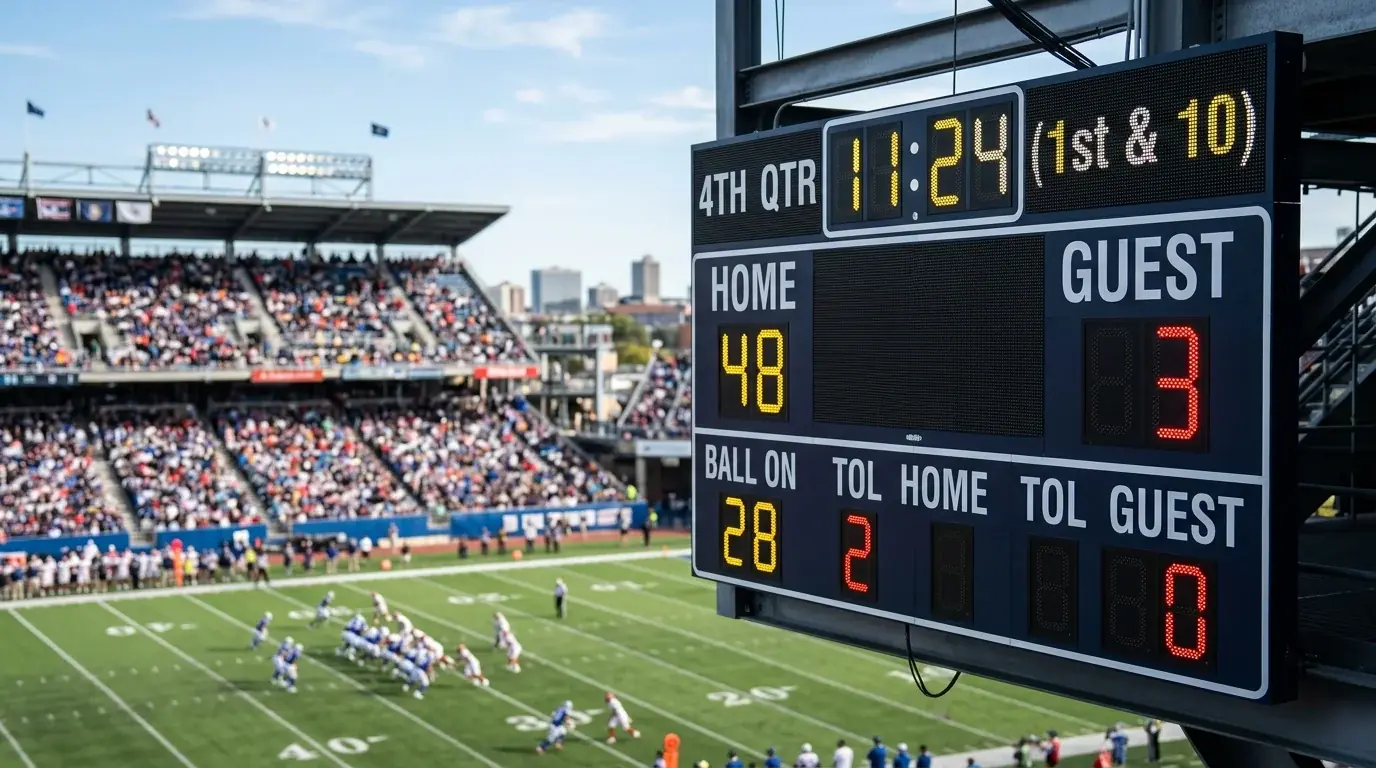
The story the game tells before it happens
The most expensive lesson of my early betting years was that I kept projecting players as if every game would be a tidy, balanced contest. They almost never are. Game script is the expected flow of a game, who leads, who trails, and how each team responds, and it is one of the most powerful forces shaping player props because it dictates how a team distributes the ball. A perfect read on a player’s talent is worthless if you have misjudged the script that determines how often he gets to use it.
The reason game script matters so much is that football teams change their behaviour based on the score. A team with a big lead runs the ball to drain the clock; a team trailing badly throws on every down to catch up. Those behavioural shifts redistribute opportunity wholesale, inflating some players’ volume while starving others, and they happen predictably enough that the expected script can be forecast before kick-off. Read the likely script and you read the likely distribution of touches, which is where props are won and lost.
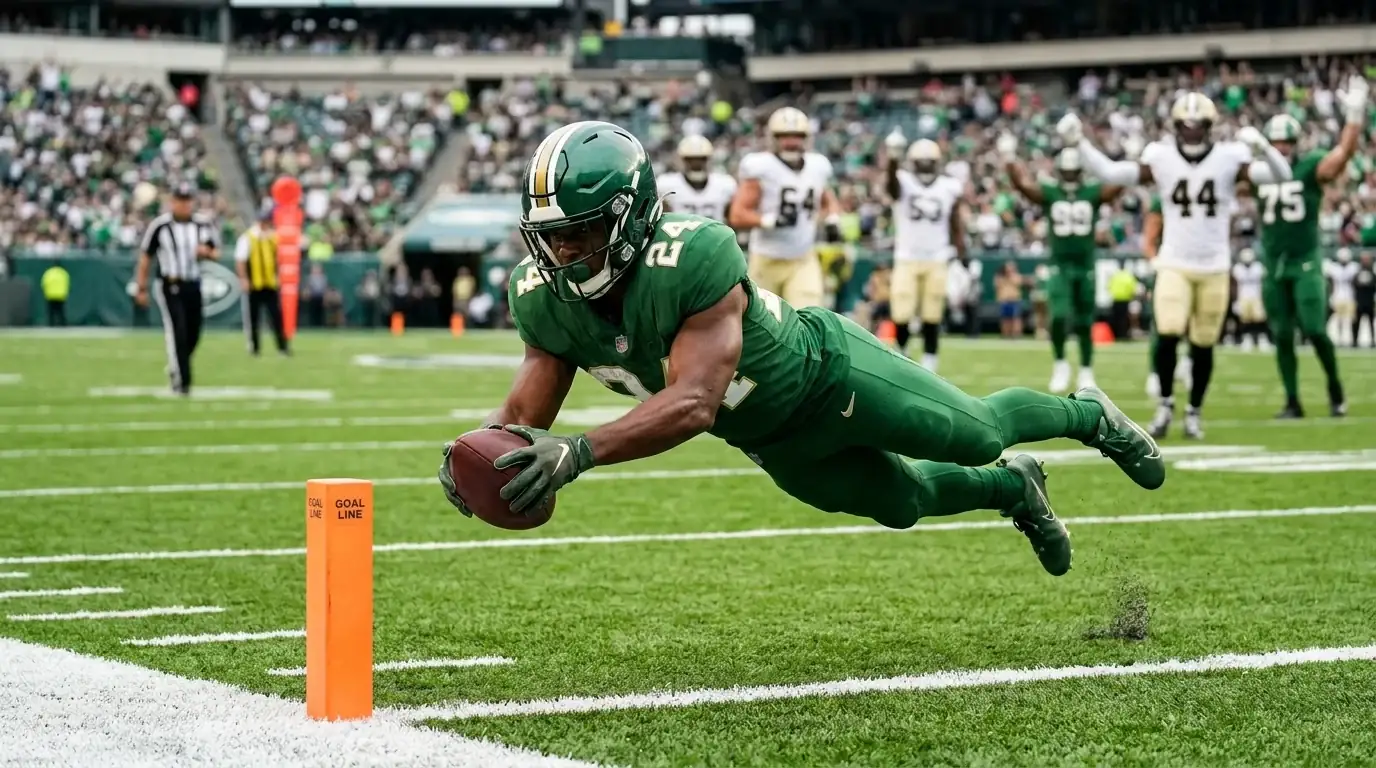
This connects directly to why usage is the foundation of prop projection. The anytime touchdown scorer market is the most-backed player prop by handle, and who scores depends heavily on game flow, a leading team’s running back gets the clock-killing carries near the goal line, while a trailing team’s receivers rack up targets in desperation. Game script is the engine that decides which players get the opportunities the biggest markets are built on, which makes it impossible to ignore.
Apply game script insights to NFL rushing yards props for better RB projections.
What game script actually is
Game script is the narrative arc of how a game is likely to unfold, defined mostly by which team is expected to lead and by how much. A heavy favourite is expected to lead, which means it is expected to run more, especially late, to protect the lead and shorten the game. A heavy underdog is expected to trail, which means it is expected to throw more, especially late, to close a gap. The script is essentially a forecast of who will be playing from ahead and who from behind.
The behavioural responses are reliable enough to bet on. Leading teams lean on the run because running keeps the clock moving and reduces risk; trailing teams lean on the pass because passing stops the clock and gains yards faster. This is why the same player can carry wildly different realistic projections depending on the expected script: a running back on a big favourite is in line for clock-killing carries, while the same back on a big underdog may see his team abandon the run entirely. The player has not changed; the script has, and the script is what determines his volume.
The single best clue to the expected script is the point spread, because the spread is the market’s forecast of who wins and by how much. A wide spread implies a lopsided game with a clear leader and trailer, pointing to a script where the favourite runs and the underdog throws. A narrow spread implies a close, balanced contest where neither team is forced into a one-dimensional approach. Reading the spread as a script forecast is the first move I make on any prop, because it frames every projection that follows.
Pace and the volume of plays
Game script decides how opportunity is distributed; pace decides how much opportunity there is to distribute. Pace is how quickly a team runs its plays, and a fast-paced game produces more total snaps, which means more opportunities for everyone, more passes, more carries, more targets. A slow, grinding game produces fewer plays and compresses everyone’s volume. Pace is the size of the pie, and script is how the pie gets sliced.
The interaction between the two is where the real insight lives. A fast pace lifts passing props in particular, because a high-tempo game generally means more pass attempts and more passing volume across the board. Two fast-paced offences meeting can produce a shootout where both quarterbacks and their receivers see inflated opportunity, lifting passing yardage and reception totals on both sides. A slow, run-heavy matchup does the reverse, suppressing passing volume even for talented quarterbacks. When I see a projected fast game, I lean toward the passing and receiving overs that the extra plays support.
The standard prop pricing reminds you why getting this right matters so much. A two-way prop at -110 each way carries an overround of about 4.8 per cent, so you need a real edge over the fair number to profit. Misreading pace, projecting a player for a normal-volume game when the pace points to a shootout or a slog, is a fast way to bet the wrong side of that fair line. Pace and script together set the volume environment, and the volume environment sets the player’s realistic range, so a projection that ignores them is built on sand.
See also: best nfl player prop bets for tactical NFL analysis.
How to bet the script
Betting the script means using the expected flow to find players whose volume the market has mispriced relative to the likely game state. The clearest application is on running backs and blowouts. A back on a heavy favourite expected to lead is a strong candidate for a rushing over, because the clock-killing carries pile up late, while that same script makes a rushing under dangerous, since garbage-time carries can push a quiet back over a low number. The full mechanics of that interaction are worth reading in how to bet the running back total, where game script is the dominant force on the line.
The trailing-team angle is just as usable. A team expected to fall behind and throw lifts its receivers’ target volume and its quarterback’s passing yardage, because desperation football is pass-heavy football. So a receiver on a heavy underdog can be a sneaky receiving-yards over, his team will be throwing all afternoon, even though casual money fades the underdog’s players on instinct. The script creates volume that the obvious read overlooks. I build these bets by forecasting the script from the spread, then asking which players the script feeds and which it starves, and betting the gap between that and the posted line. Read the story the game is likely to tell, and the props that fit the plot reveal themselves.
How does a blowout kill a rushing under?
A team that builds a big lead runs the ball to drain the clock, so its running back keeps getting carries late in low-pressure situations. Those garbage-time carries pile up yardage and can push a back over a total that looked safe at half-time. Backing a rushing under on a heavy favourite is therefore risky, because the very script that makes the team a favourite, leading and running, is the script that floods the back with extra volume.
Why does a fast pace lift passing props?
Pace determines how many total plays a game produces, and a fast-paced game means more snaps and generally more pass attempts. That extra volume lifts passing yardage and reception totals across the board, because more plays mean more opportunities for the quarterback and his receivers. Two fast offences meeting can produce a shootout that inflates passing props on both sides, which is why projected pace is a key input for any aerial bet.
Can I predict game script from the spread?
The point spread is the best single clue to the expected script, because it is the market’s forecast of who wins and by how much. A wide spread implies a lopsided game with a clear leader and trailer, pointing to a script where the favourite runs and the underdog throws. A narrow spread implies a close, balanced contest. Reading the spread as a script forecast frames every player projection that follows.
Published by the Best nfl Player Prop Bets team.