NFL Rushing Yards Props: Betting the Running Back Total
 Available in US
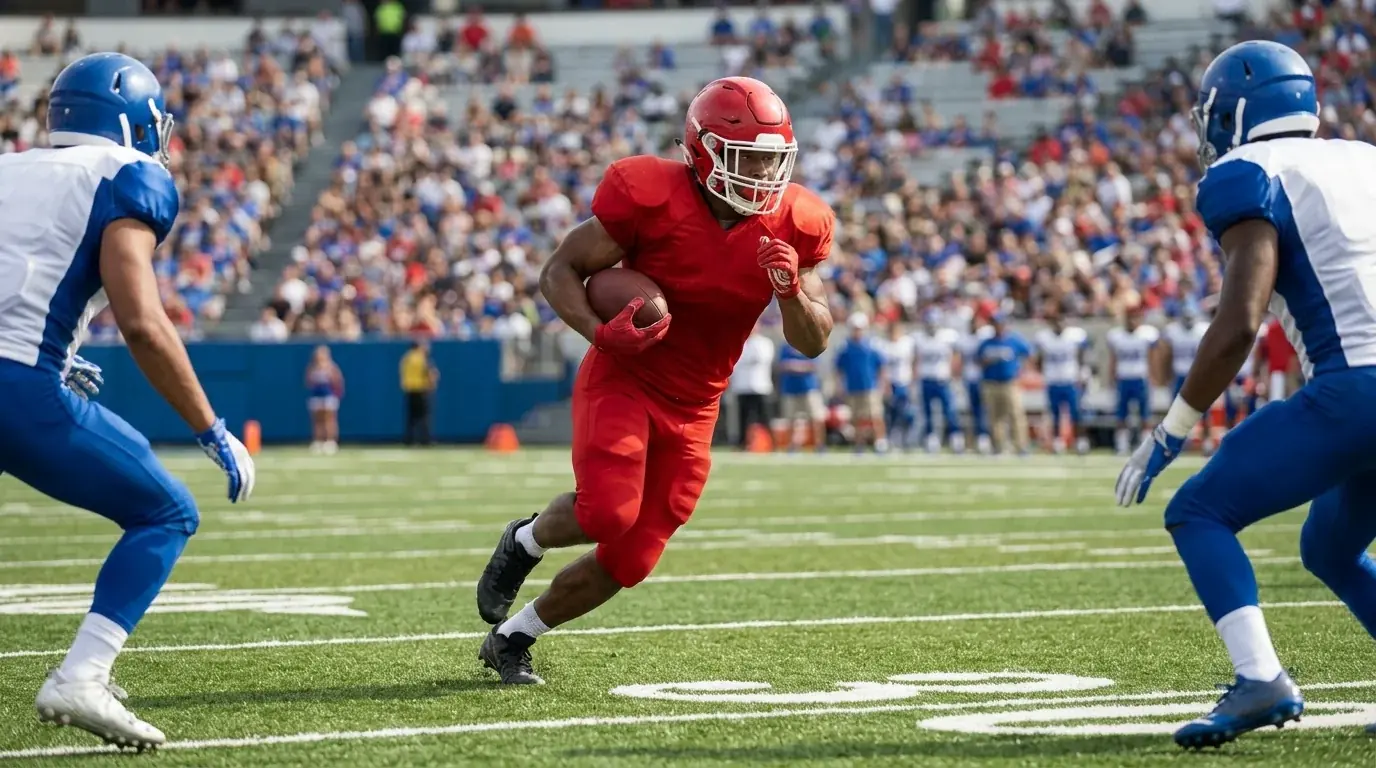
The bet that lives and dies on the scoreboard
I learned to respect rushing props the hard way, watching a clean 78.5-yard under evaporate because the game stayed close into the fourth quarter and a back I had faded kept getting handed the ball. An NFL rushing yards prop is a wager on whether one running back finishes above or below a posted yardage figure, settled purely on rushing yards. The number looks self-contained. It is anything but, because it is hostage to how the game unfolds around it.
The difference between a passing prop and a rushing prop is the difference between a forecast and a feedback loop. A quarterback’s yardage tends to rise when his team trails and has to throw. A running back’s yardage tends to rise when his team leads and wants to drain the clock. That single asymmetry shapes everything about how I read these lines, and it is why the spread tells you more about a rushing prop than the player’s season average does.
Props are no longer a fringe pursuit in the UK market. They have become the fastest-growing bet type in sports betting, to the point where survey work shows them outpacing the traditional markets in momentum even as spreads still command 61 per cent of NFL bettors. The running back total is one of the most-traded individual lines on the board, which means the easy money has long since been priced out. What is left is a puzzle about volume, and volume is decided by the game itself.
Compare rushing totals with NFL passing yards props for a full offensive picture.
What the running back total is really pricing
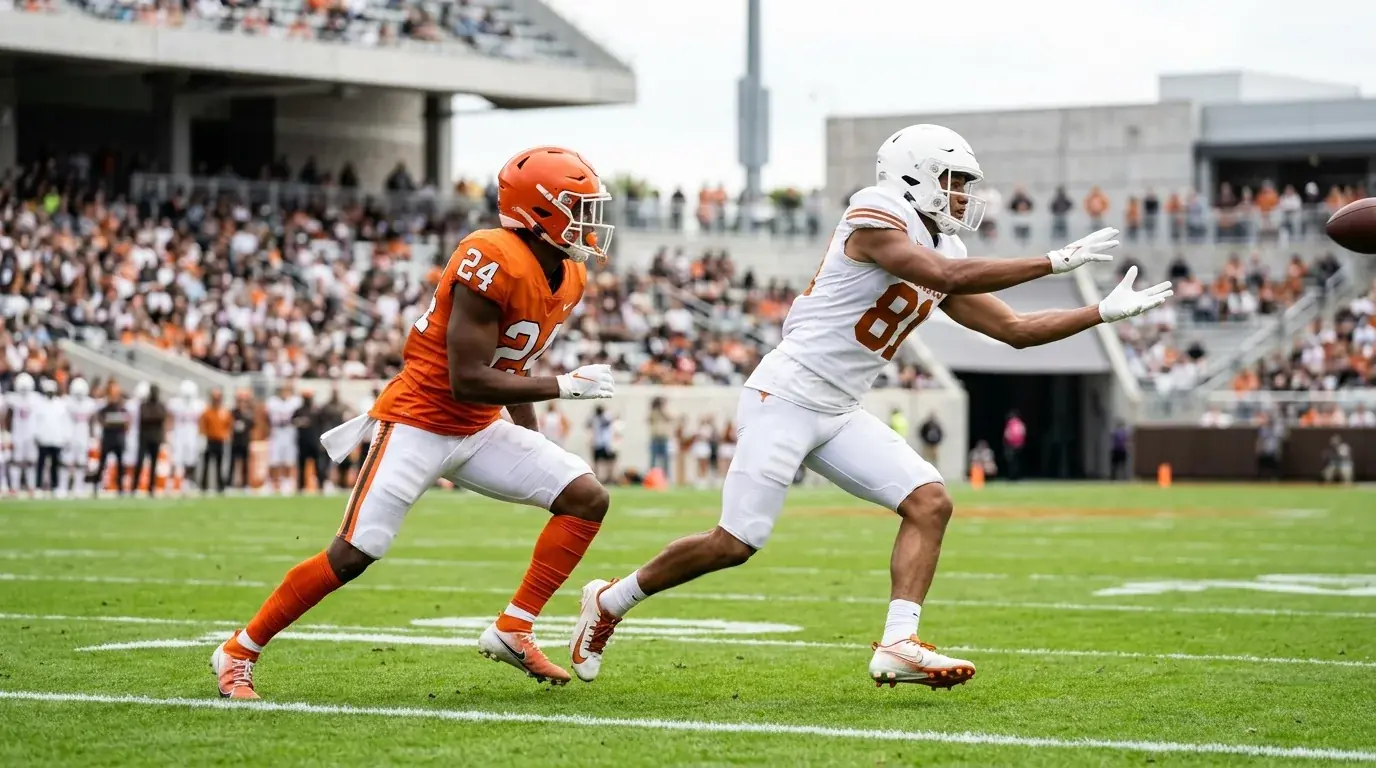
Strip a rushing prop down and you find two ingredients: how many carries the back gets, and how many yards each carry produces. Of those two, carries are far more predictable than yards-per-carry, which is why volume is the spine of every projection I build. A back nailed on for 18 to 20 touches has a high, stable floor. A back in a committee who might see eight carries or eighteen depending on the flow is a coin flip dressed up as a number.
The market is a standard over/under, priced two ways. At a typical -110 each side, the overround sits around 4.8 per cent, so the implied probabilities add to roughly 104.8 per cent and the true break-even you must beat is about 52.4 per cent rather than a flat half. That margin is the book’s edge, and on props it frequently runs into the 6 to 10 per cent band, wider than you would pay on a side or a total. Every rushing prop you back has to clear that hurdle before it is even a fair bet, let alone a good one.
One settlement quirk catches people: whose yards count. A running back’s rushing prop settles on that back’s rushing yards only. A quarterback’s scrambles and designed runs go on the quarterback’s own rushing line, never the back’s, so a mobile passer eating into the ground game hurts your back’s volume without ever appearing on his stat. That is a hidden drain on a committee back’s total that the season average will never warn you about.
Volume and the tyranny of game script
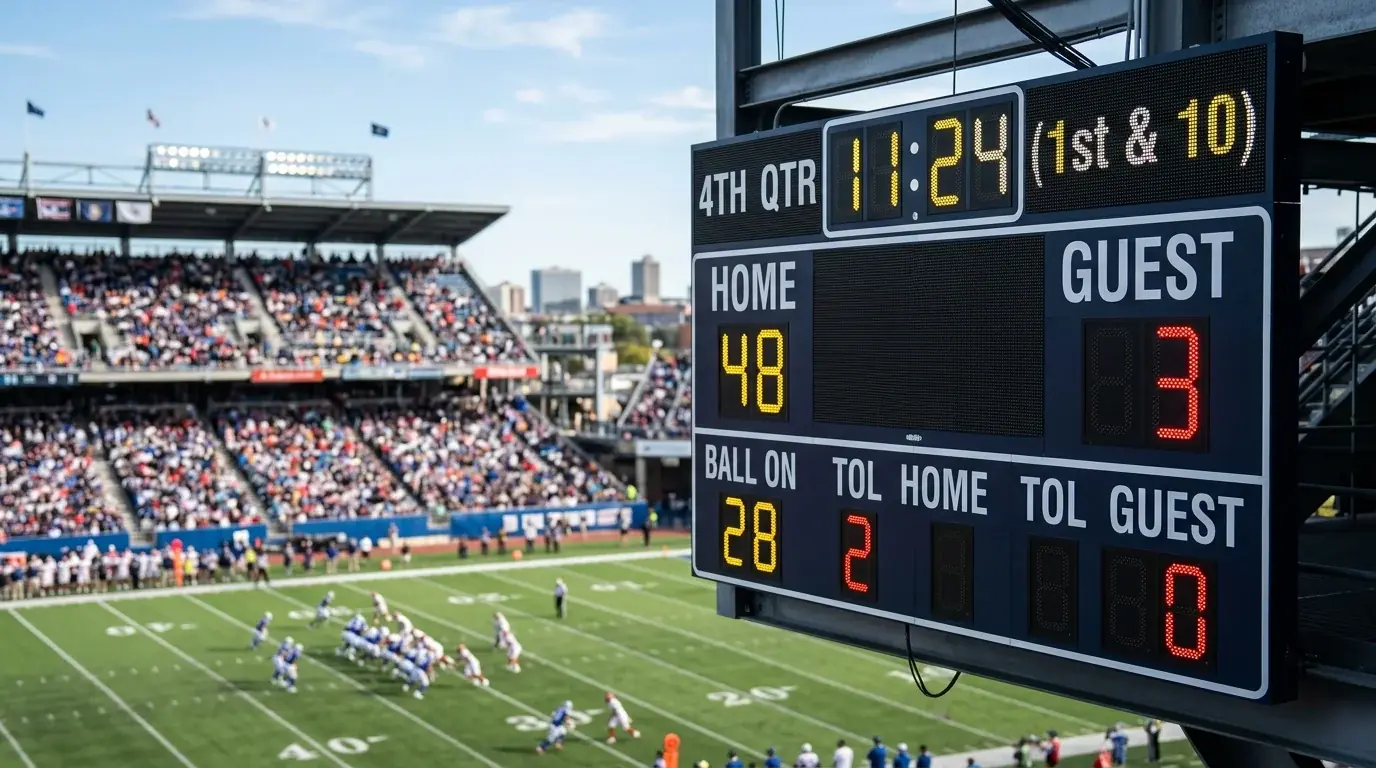
Here is the scenario that should make every rushing-prop bettor nervous: you have backed an under, the back’s team falls behind by 17 early, and the offence abandons the run to chase points through the air. Your under is safe, but the mirror image is the killer. Back an under on a team that races to a big lead, and watch them feed the running back all fourth quarter to bleed the clock. The yards pile up in garbage time, and your tidy under dies to a script you should have seen coming.
Game script is the dominant force on a rushing line, more than matchup, more than the back’s talent. A team favoured by ten points is being told by the market that it will probably lead, and leading teams run. That lifts the favourite’s lead back and suppresses the underdog’s, often more than the raw line suggests. When I model a rushing prop, I start with the expected script implied by the spread, then layer the player’s role on top. Reverse that order and you will keep losing unders to blowouts you backed the wrong way. The full mechanics of how a game’s flow redistributes carries and yardage are worth a proper read in my breakdown of game script and pace.
Carry share is the metric that ties it together. Carry share is simply the percentage of a team’s running back carries that go to one player, and it is the cleanest read on whether a back owns the backfield or rents it. A 70 per cent carry-share back in a positive script is the closest thing to a stable rushing projection you will find. A 40 per cent share in a timeshare, in a game that could go either way, is a number I leave alone no matter how tempting the price.
Finding value the book has missed
Value on a rushing prop comes from the same arithmetic as any prop: your projection against the book’s no-vig line. Start by removing the margin. If both sides are -110, neither is a true 50/50, so I devig the price down to a fair probability before comparing it to my own estimate. Only when my projected probability of the over or under clears that fair line by a meaningful margin does the bet earn a stake. Anything closer than that is just paying the house for the privilege of having an opinion.
The softest rushing numbers tend to appear in two places. The first is a back who has just inherited a larger role through an injury ahead of him, where the book may not have fully repriced his new volume. The second is a positive-script back on a favourite, where casual money fixates on the star receiver and the run game gets quietly underpriced. Line shopping sharpens both: a half-point of yardage and a few points of price across UK books compound over a season, and I never lock a rushing prop at the first quote on the screen.
Explore best nfl player prop bets for all NFL stat props.
Habits that turn a good read into a loss
The error I see most is treating a rushing total like it exists in a vacuum. A back averaging 85 yards a game tells you nothing useful if this week he is a road underdog likely to be playing catch-up through the air by the second half. Context first, average second. The number on the screen has already absorbed the average; your edge is in the context the crowd ignores.
The other costly habit is overstaking a single rushing prop because the matchup looks perfect. Rushing yardage is volatile by nature, a few broken tackles or a single long run can swing a result, and even a genuine edge plays out over many bets, not one. I keep my units small and let the read do the work across a season rather than betting the house on a Sunday that feels certain. Certainty is the most expensive feeling in this market.
Do rushing yards include a quarterback’s scrambles?
Only on the quarterback’s own line. A quarterback’s scrambles and designed runs settle on his individual rushing prop, never on a running back’s total. So if you have backed a running back’s rushing yards, a mobile quarterback eating into the ground game reduces the back’s available carries and yards without ever showing up on the back’s stat line.
How does a big lead hurt an under on rushing yards?
A team that builds a comfortable lead wants to drain the clock, and the surest way to do that is to keep handing the ball to its running back. Those late carries pile up yardage in low-pressure situations, often pushing a back over a total that looked safe at half-time. Backing an under on a heavy favourite is a quiet way to lose to garbage-time volume.
What is carry share and why does it matter?
Carry share is the percentage of a team’s running back carries that go to one player. It is the clearest signal of whether a back owns the backfield or shares it. A high carry share gives a rushing prop a stable, predictable floor, while a low share in a committee makes the total far harder to project, since the back’s volume can swing wildly from one game to the next.
Prepared by the Best nfl Player Prop Bets editorial staff.