NFL Receptions Props: Betting How Many Catches a Player Makes
 Available in US
The quietest prop on the board is also the steadiest
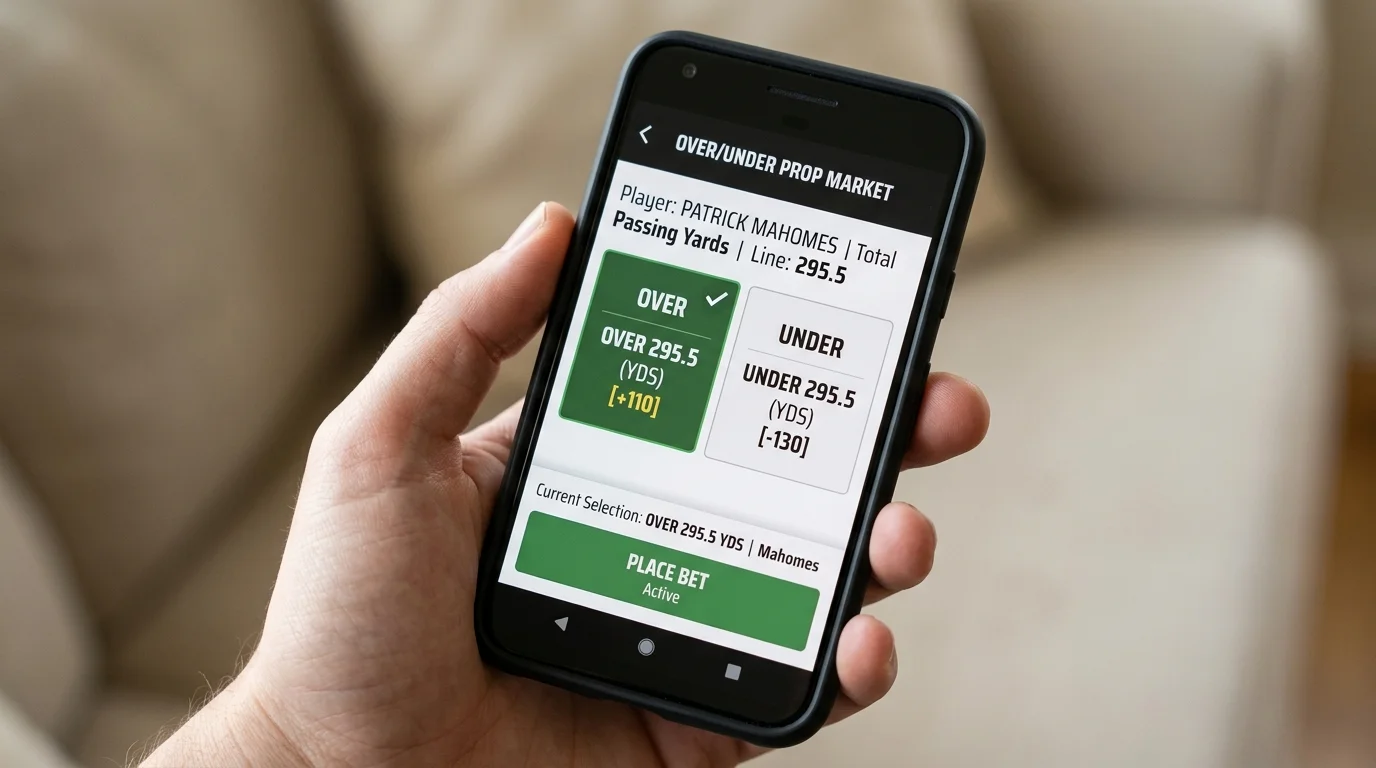
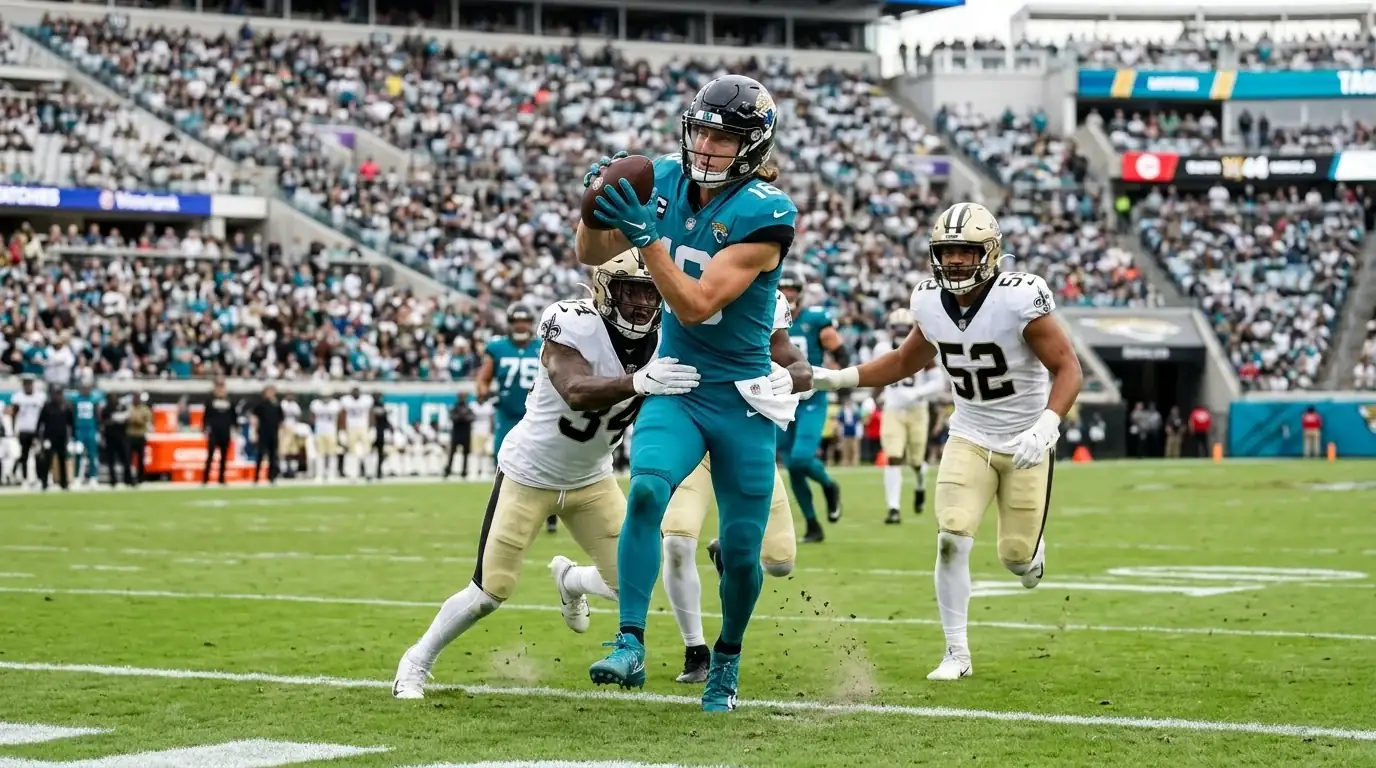
If I had to teach a beginner one prop to start with, it would be this one. A receptions prop is a wager on how many catches a single player makes, settled on the raw count of receptions above or below a posted line. No yardage, no touchdowns, just catches. That simplicity is exactly why it is the most forgiving market for a disciplined bettor and the one I lean on when the yardage props feel too jumpy to trust.
The reason comes down to what the bet measures. A receiving yards prop can be decided by a single deep catch, which makes it spiky. A receptions prop is decided by accumulation, and accumulation is far easier to forecast than explosion. A receiver who reliably draws eight or nine targets is going to catch a stable number of them most weeks, which gives the receptions line a floor and ceiling that sit close together. Steady is beatable. Spiky is a coin flip with juice.
Props have become the fastest-growing bet type in sports betting, and within that surge the receptions market has quietly become one of my favourites because the casual crowd overlooks it for flashier yardage and touchdown lines. While spreads still pull 61 per cent of NFL bettors, the individual catch total sits in a corner of the board where the money is softer and the projections are cleaner. That combination is rare, and it is worth understanding properly.
Pair receptions with NFL receiving yards props for a deeper passing game angle.
What the catch total is pricing
A receptions prop is an over/under on completed catches, priced both ways and settled on the official reception count. A dropped pass does not count, because a drop is not a reception, no matter how catchable it was. An offensive pass interference call that wipes a catch removes it from the total too. The only thing that registers is a ball secured and ruled a completion to that player. Clean rules, which is part of why beginners take to this market.
The pricing follows the standard prop structure. Two sides at -110 each produce an overround of roughly 4.8 per cent, so the implied probabilities add to about 104.8 per cent and the true break-even you must beat sits near 52.4 per cent rather than a flat half. Props in general carry margin in the 6 to 10 per cent band, wider than spreads or totals, so the catch total is not the bargain it looks. The steadiness of the market is your edge; the juice is still the book’s.
Because receptions track volume so closely, the line is essentially a forecast of targets multiplied by an expected catch rate. A receiver drawing nine targets at a 70 per cent catch rate projects to roughly six catches, and the book builds the line around exactly that maths. Your job is to find the receiver whose target volume the market has under or overestimated, because that is the input that moves the number most.
Why volume beats yardage for predictability
Here is a question I ask before every receptions bet: would I rather forecast how many times a player catches the ball, or how far the ball travels each time? The first is a usage question with a stable answer. The second adds a layer of randomness that the catch total simply does not have. That is the whole case for receptions over receiving yards when you want a bet you can actually model.
The clearest example is the checkdown back. A running back who serves as his quarterback’s safety valve catches a steady stream of short, high-percentage passes, and those catches add up to a remarkably reliable receptions total even when the yardage is trivial. A back who reels in six two-yard dump-offs is a receptions-over machine and a receiving-yards-under at the same time. The volume is there; the depth is not. Recognising that split is one of the cleanest edges in the whole prop market.
Slot receivers behave the same way. Working underneath on short and intermediate routes, they convert volume into catches without needing the deep shots that make yardage props swing. The throughline is that catch totals reward role and usage over big-play ability, which is precisely why they hold up better than yardage when you bet them. If you want the deeper logic of usage as the foundation of any prop, it is worth pairing this with my breakdown of how to bet the receiving yards market, where the depth dimension does most of the damage.
Finding value in a steady market
Value on a receptions prop is the gap between your honest catch projection and the book’s no-vig line. I strip the margin first, because -110 each way is not a fair coin flip, then build a targets-times-catch-rate estimate and only bet when my projected probability clears the fair break-even with margin to spare. The good news is that a steady market needs a smaller cushion than a volatile one, because variance is doing less to your result.
The softer numbers live away from the headliners. Player props, and especially the more exotic ones on secondary players, sit in a less efficient market because bookmakers simply have less historical data to price them tightly. The number-one receiver’s catch total is sharp; the third-down back’s and the rotational slot’s are where the book is guessing more than it would like. That is where I hunt. Line shopping then does the rest, because a half-catch of line movement across UK books is a meaningful swing on a market this tight, and I never lock a receptions prop at the first price I see.
Visit best nfl player prop bets for all NFL prop betting guides.
The errors that undo a clean read
The mistake I see most often is conflating catches with yards. A bettor sees a receiver had a quiet 30-yard week and assumes the receptions under is live too, when in fact he caught seven balls and smashed the catch total. The two markets answer different questions, and treating them as one is a fast way to bet the wrong side. Always check which number you are actually wagering on before you reach for a season trend.
The second error is ignoring game script’s effect on volume. A team forced to throw all afternoon inflates its pass-catchers’ target counts, which lifts every receptions total in that game, while a run-heavy blowout starves them. The catch total is steadier than the yardage total, but it is not script-proof. Read the expected flow of the game, weight the role over the reputation, and keep your stakes modest even on a market this reliable. Steady does not mean certain, and the bankroll only survives if you respect that.
Does a dropped pass count against a receptions prop?
No. A receptions prop settles only on completed catches, so a dropped pass simply does not register, no matter how catchable it looked. The same goes for a catch wiped out by an offensive penalty. Only a ball secured and officially ruled a reception for that player adds to the total, which keeps the settlement rules refreshingly clean.
Why do checkdown backs hit receptions overs?
A running back who acts as his quarterback’s safety valve catches a steady stream of short dump-off passes. Those checkdowns are high-percentage, high-volume targets, so the back piles up catches even when the yardage is minimal. That makes him a natural receptions-over candidate and often a receiving-yards-under at the same time, since the catches are there but the depth is not.
Are receptions props steadier than receiving yards?
Generally, yes. A receptions prop is decided by accumulation of catches, which is easier to forecast than yardage that can swing on a single deep play. A receiver with reliable target volume catches a stable number of balls most weeks, so the catch total has a tighter floor-to-ceiling range. That predictability is exactly why disciplined bettors often prefer it to the spikier yardage market.
Created by the ”Best nfl Player Prop Bets” editorial team.