NFL First Touchdown Scorer Props: Betting Who Crosses First
 Available in US
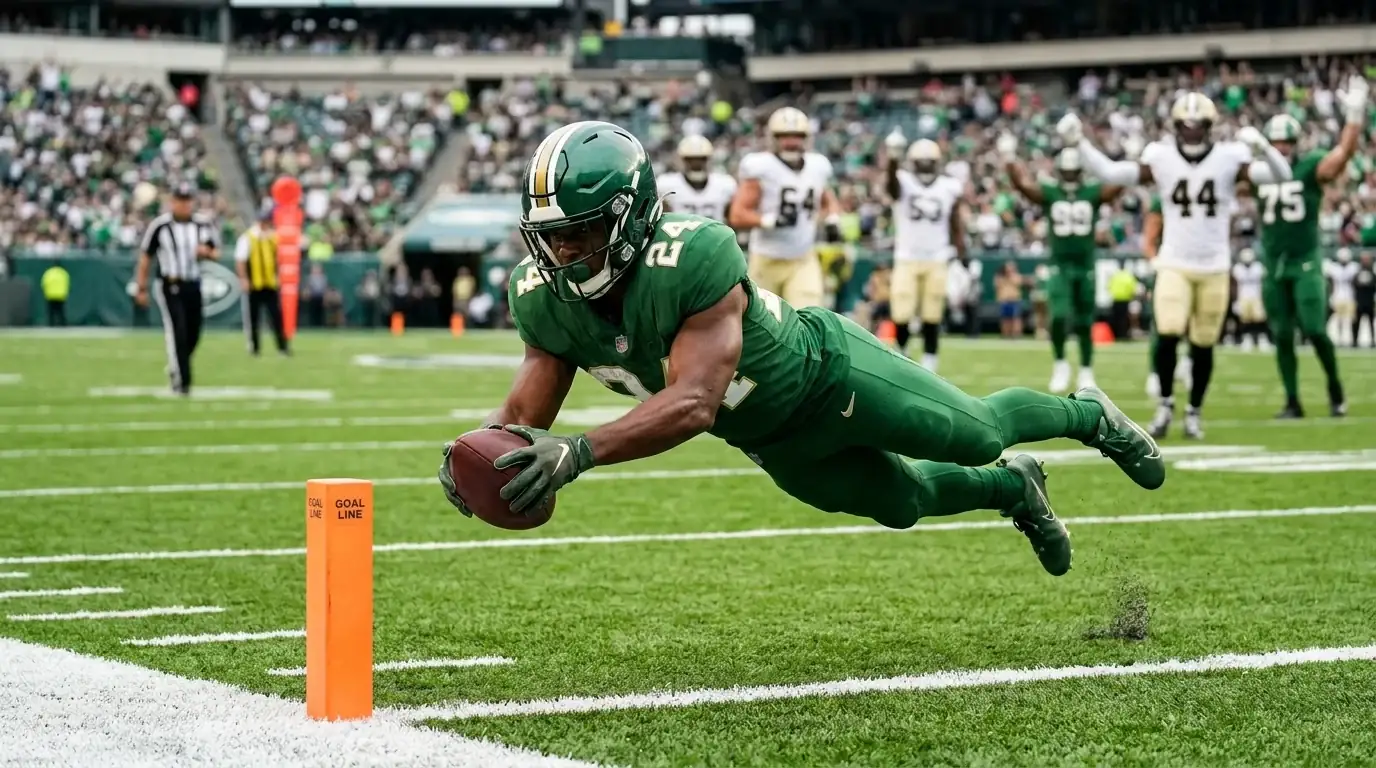
One play decides the whole ticket
The first touchdown scorer prop is the purest lottery on the NFL board, and I mean that as both a warning and an invitation. A first touchdown scorer prop is a wager on which player scores the very first touchdown of the game, settled the instant anyone crosses the line. Get your player and the timing right and the payout is generous; miss by a single drive and the ticket is dead before half-time. It is a market built on one moment, and one moment is a thin thing to bet a season on.
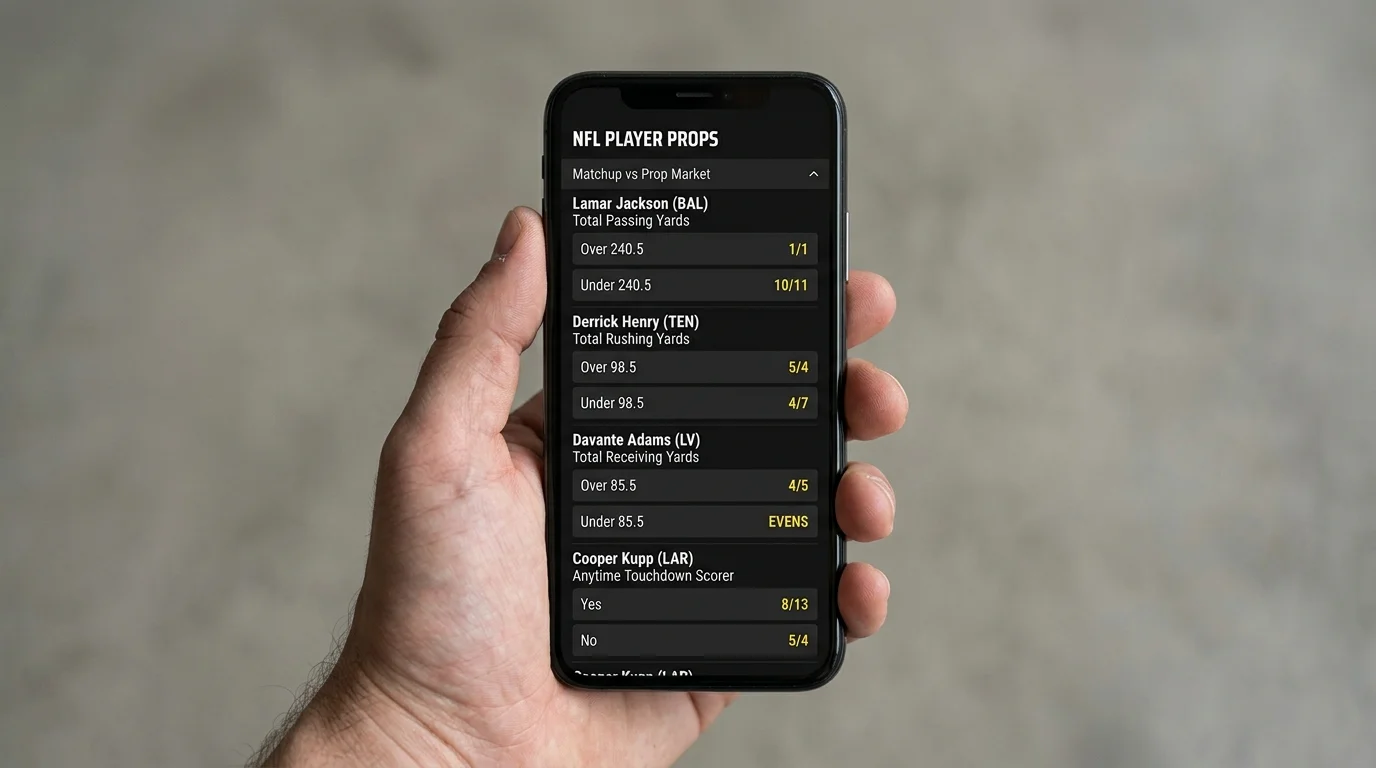
What makes it tempting is the scoreboard at the BetMGM level: the anytime touchdown scorer market is the most-backed player prop by handle, with receiving yards and first touchdown scorer also riding high in the top three. People love betting on who scores, and the first-scorer version offers the longest, juiciest prices of the lot. That popularity is exactly why the market is worth understanding before you treat it as a serious play rather than a bit of fun.
The honest framing is that first touchdown scorer is a higher-variance, longer-priced cousin of the anytime market. The pool of plausible scorers is large, the timing constraint is brutal, and the prices stretch out accordingly. I bet it, but I bet it knowing exactly what kind of wager it is: a low-hit-rate, high-payout play where the edge, if it exists, is small and the patience required is large.
Use NFL red zone target share data to find the best first scorer picks.
What the first-scorer market is pricing
A first touchdown scorer prop settles on the first player to score an offensive touchdown in the game. The timing element is everything: it is not whether your player scores, but whether he scores before anyone else does. That single constraint is why the prices run so long. A goal-line back who is nearly certain to score at some point might be a modest anytime price but a generous first-scorer price, because being first is far less likely than scoring eventually.
Settlement has a wrinkle worth knowing. Most books settle first touchdown scorer on offensive touchdowns only, which means a defensive score, like a returned interception, or a special-teams touchdown, like a kick return, does not settle the market. If the game’s actual first touchdown comes on a defensive return, the first-scorer bet usually rolls to the first offensive touchdown instead. Rules vary slightly between books, so it is worth checking, but the offensive-only default is the common standard.
The pricing reflects the long odds with real margin. Across a full board of plausible scorers, the implied probabilities add up to well over 100 per cent, so the overround on a first-scorer market is far steeper than the roughly 4.8 per cent you see on a tidy two-way prop quoted at -110 each way. You are paying a wide margin for the chance at a long price, which is the trade-off at the heart of every longshot scorer market.
How first scorer differs from anytime
The mistake I made early was treating first scorer like anytime with better odds. They are different bets with different logic. Anytime touchdown scorer asks whether a player crosses the line at any point in sixty minutes, a relatively achievable outcome for a feature back or a red-zone target. First scorer adds a timing lock that slashes the probability and stretches the price, which is why the same player can be a sensible anytime bet and a wild first-scorer flyer.
Because being first is so much less likely than scoring eventually, the first-scorer price is always longer than the anytime price for the same player, often dramatically so. That longer price is not free value; it is compensation for a genuinely harder outcome. The anytime market is the workhorse, the one I lean on for stable scorer logic, and I cover its red-zone and role-based approach in full in how to bet the anytime touchdown scorer market. First scorer is the speculative satellite that orbits it. Knowing which one you are betting, and respecting the gulf in difficulty between them, is the foundation of treating this market sensibly.
Why scripted opening drives matter
Here is the one structural edge the first-scorer market offers: the opening drives are partly scripted. Many coaches plan their first ten or fifteen plays in advance, which means the players involved in those early sequences are not random. A team’s preferred red-zone target, a back who features in goal-line packages, or a receiver a coordinator likes to attack with early can all see elevated involvement in exactly the window that decides this bet.
That scripting is the closest thing to a repeatable angle in a market dominated by variance. A player who is both a strong red-zone option and a feature of his team’s early-down plan is a more credible first-scorer candidate than his anytime price alone would suggest. It is not a guarantee, nothing in a one-play market is, but it tilts the probability in a way the casual money, which simply backs the famous name, tends to miss. I weight early-down and goal-line roles heavily when I look at this market, because the first touchdown disproportionately comes from players involved in those first scripted possessions.
Explore best nfl player prop bets for all NFL prop markets.
Finding the rare value spot
Value in the first-scorer market is real but scarce, and it lives almost entirely on overlooked names with genuine early-drive and goal-line involvement. Player props have become the fastest-growing bet type in sports betting precisely because they reward this kind of granular thinking, and the first-scorer market is the granular extreme. The stars are bet down by the crowd to short prices that rarely offer value; the edge, when it exists, is on the secondary scorer the market has priced too long relative to his real early-game role.
Because the margin on this market is steep, I devig before I bet, comparing the offered price to a fair number rather than taking the long odds at face value. Then I stake small, because a low-hit-rate market means long stretches of misses even when the read is sound. First touchdown scorer is a fun, high-variance corner of the board where a disciplined bettor can occasionally find a mispriced name, but it is never the foundation of a betting strategy. Treat it as the speculative flutter it is, and it will not damage the bankroll the way the longshot prices invite it to.
Does a defensive or special-teams touchdown settle a first scorer bet?
Usually not. Most books settle the first touchdown scorer market on offensive touchdowns only, so a defensive return or a special-teams score does not settle it. If the game’s actual first touchdown comes on a defensive or special-teams play, the bet typically rolls to the first offensive touchdown instead. Rules vary slightly between books, so it is worth confirming the offensive-only default before you stake.
Why is first scorer longer odds than anytime?
Anytime touchdown scorer pays if your player scores at any point in the game, which is far more achievable than being the very first to cross the line. First scorer adds a strict timing constraint, so the probability is much lower and the price stretches out to compensate. The same player will almost always carry a longer first-scorer price than his anytime price, reflecting how much harder being first really is.
Do opening-drive scripts help first scorer bets?
They can. Many coaches script their first ten to fifteen plays, so the players featured early are not chosen at random. A team’s preferred red-zone target or a back used in goal-line packages may see elevated involvement in exactly the window that decides the first-scorer market. Weighting those early-down and goal-line roles is one of the few repeatable angles in a market otherwise ruled by variance.
Published by the Best nfl Player Prop Bets team.